Capitoline Hill and Piazza Venezia Rome Historic Landmarks and Visitor Guide 2026
Uncategorized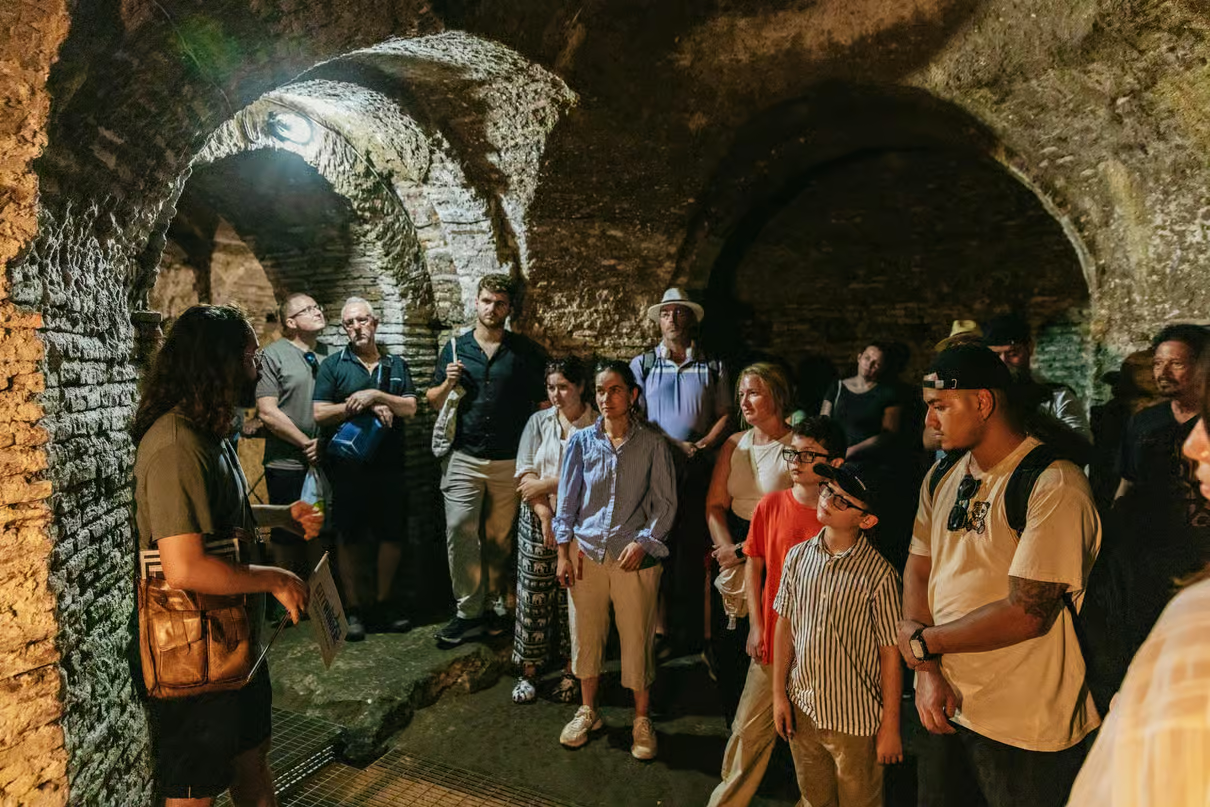
Capitoline Hill and Piazza Venezia Rome Historic Landmarks and Visitor Guide 2026
Discover Michelangelo’s Piazza del Campidoglio, the Capitoline Museums, the monumental Vittoriano and panoramic views across ancient Rome.
Explore Capitoline Hill and Piazza Venezia Rome
Capitoline Hill is one of ancient Rome’s seven hills and remains a remarkable destination for history, art and architecture. Its Piazza del Campidoglio is associated with Michelangelo’s Renaissance design, while the surrounding buildings house the Capitoline Museums.
Below the hill, Piazza Venezia is dominated by the white marble Vittoriano monument, dedicated to Victor Emmanuel II. Together, these landmarks offer an excellent introduction to Rome’s ancient and modern identities.
1. What Is Capitoline Hill?
Capitoline Hill is one of Rome’s seven historic hills and was a major religious and political center in the ancient city.
2. Why Was the Hill Important?
Ancient temples and civic institutions made it a powerful symbol of Roman state authority and religious tradition.
3. What Is Piazza del Campidoglio?
It is the elegant square on top of Capitoline Hill, surrounded by historic buildings and known for its geometric Renaissance layout.
4. Who Designed the Square?
Michelangelo developed its celebrated Renaissance design, although elements of the square were completed after his lifetime.
5. What Is the Cordonata?
The Cordonata is the broad, gently sloping ceremonial staircase leading from the lower streets to Piazza del Campidoglio.
6. What Statue Stands in the Square?
A replica equestrian statue of Marcus Aurelius occupies the center, while the ancient original is preserved inside the Capitoline Museums.
7. What Are the Capitoline Museums?
They are a historic museum complex displaying Roman sculpture, paintings and archaeological objects in buildings overlooking the square.
8. Are the Museums Free?
Standard museum admission generally requires a ticket, although discounts, special access arrangements and free-entry initiatives may apply.
9. What Are the Most Famous Exhibits?
Highlights include the Capitoline Wolf, classical sculptures and the original equestrian statue of Marcus Aurelius.
10. What Is the Capitoline Wolf?
The famous she-wolf sculpture is associated with the legend of Romulus and Remus and is an enduring symbol of Rome.
11. Can You See the Roman Forum?
Viewing areas around Capitoline Hill provide striking perspectives over parts of the Roman Forum, depending on access restrictions.
12. When Is the Best Time for Photography?
Morning and late-afternoon light can be especially attractive for architecture, although crowd levels and lighting vary by season.
13. What Is Piazza Venezia?
Piazza Venezia is a prominent central square connecting important roads and landmarks in Rome’s historic center.
14. What Is the Vittoriano Monument?
The Vittoriano is a monumental national memorial honoring Victor Emmanuel II, the first king of unified Italy.
15. Why Is It Called the Altar of the Fatherland?
The name reflects the monument’s national significance and its role in Italian commemorative ceremonies.
16. What Is the Tomb of the Unknown Soldier?
It is a national memorial dedicated to unidentified fallen soldiers and forms part of the Vittoriano complex.
17. Is the Vittoriano Free to Visit?
Some exterior areas may be accessible without charge, while specific museums, exhibitions or viewing facilities can require tickets.
18. Is There a Panoramic Elevator?
The Vittoriano is known for an elevated viewing terrace reached through designated visitor facilities, which may involve an admission fee.
19. What Can You See from the Terrace?
When accessible, the terrace offers broad views of Rome’s rooftops and major historic landmarks.
20. What Is Palazzo Venezia?
Palazzo Venezia is a historic building near the square with important cultural and political associations across different periods.
21. Is the Area Walkable?
Yes. The major landmarks are close together, although historic paving, steps and slopes can make some routes demanding.
22. Can You Combine It with the Roman Forum?
Absolutely. The Roman Forum is nearby, but entering its archaeological area requires separate ticket arrangements.
23. Is the Colosseum Nearby?
The Colosseum can be reached on foot through the historic area around the Imperial Forums.
24. Is It Suitable for Families?
Yes. Families can enjoy the open squares and architecture, while taking care around stairs, crowds and busy roads.
25. Can You Visit with a Stroller?
Some streets and squares are manageable, but steps and uneven surfaces make route planning important.
26. What About Wheelchair Accessibility?
Accessibility varies between public squares, museums and monument facilities. Check official accessibility information before visiting.
27. How Do You Reach the Area?
Several bus routes serve central Rome, and the landmarks can also be reached on foot from other historic districts.
28. How Much Time Do You Need?
A short visit can cover the outdoor landmarks, while museum collections and exhibitions justify several additional hours.
29. Do You Need a Guide?
Not for the public squares, although a knowledgeable guide can add context about Roman history and Renaissance architecture.
30. What Should You Wear?
Comfortable walking shoes are essential, with weather-appropriate clothing and drinking water during hot months.
31. What Is a Good Half-Day Route?
Begin at Piazza Venezia, explore the Vittoriano exterior, ascend to Piazza del Campidoglio and finish with views toward the Roman Forum.
32. What Should You Check Before Visiting?
Verify museum opening hours, terrace ticket requirements, restoration work and any temporary traffic or access restrictions.
Capitoline Hill and Piazza Venezia Rome Photo Gallery
Four Essential Highlights
Piazza del Campidoglio
Admire the Renaissance square associated with Michelangelo’s design.
Capitoline Museums
Explore Roman sculpture, historic collections and archaeological treasures.
Piazza Venezia
Experience a landmark square at the center of Rome.
Vittoriano Monument
Discover Italy’s national monument and its impressive architecture.
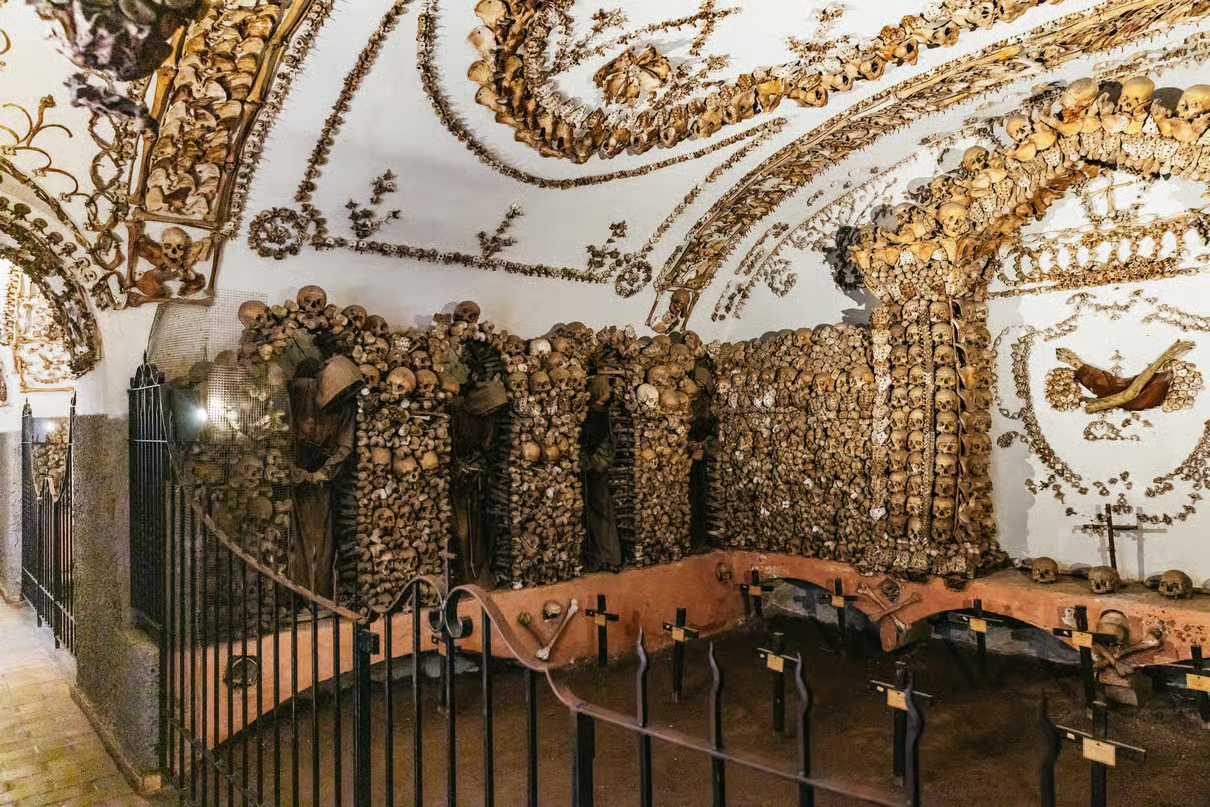
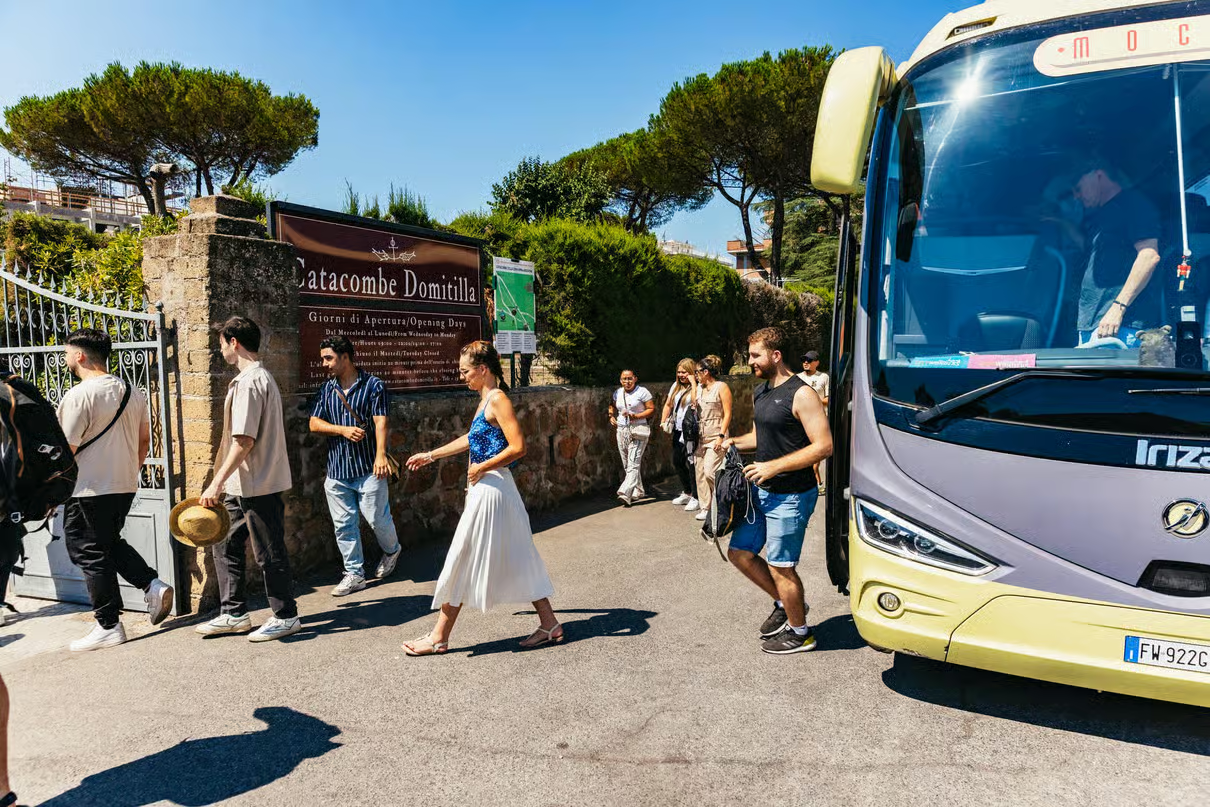
Another Rome Experience: Capuchin Crypts and Underground Catacombs
The activity supplied with this article is an underground crypts and catacombs tour with transfers. It is not admission to Capitoline Hill, the Capitoline Museums or the Vittoriano.
Frequently Asked Questions
Is Capitoline Hill free to visit?
Public outdoor areas are generally free, while the Capitoline Museums require tickets.
Is Piazza Venezia free?
The public square is normally free to visit, subject to temporary restrictions.
Do the Capitoline Museums require tickets?
Yes, standard admission generally requires a ticket.
Can I visit the Vittoriano?
Yes, although some facilities and viewing terraces may charge admission.
Does the featured GetYourGuide tour include Capitoline Hill?
No. It is a separate Capuchin crypts and catacombs experience.
Is the Roman Forum nearby?
Yes. The area is suitable for a combined walking itinerary, with separate archaeological admission.
Discover Historic Rome
Visit Capitoline Hill and Piazza Venezia, then build your ideal Rome itinerary.