Castel Sant Angelo Rome Explore the Emperors’ Mausoleum, Papal Fortress and Panoramic Views
Uncategorized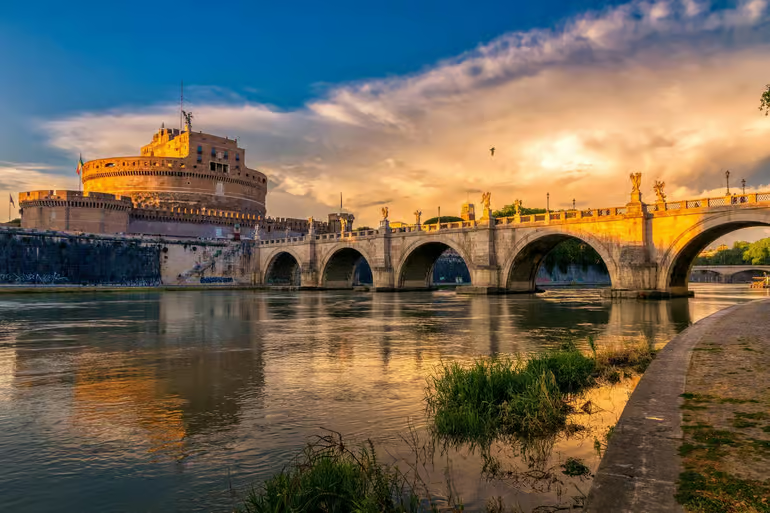
Castel Sant Angelo Rome Explore the Emperors’ Mausoleum, Papal Fortress and Panoramic Views
Discover a remarkable Roman landmark that evolved from Emperor Hadrian’s tomb into a fortified papal residence and fascinating museum.
Book Castel Sant’Angelo Tickets
The selected product is titled Rome: Castel Sant’Angelo Entry Ticket & Digital Audioguide. Review the exact ticket option, digital audio guide access, supported languages and entry instructions before booking.
Castel Sant Angelo Rome Visitor Guide 2026
Castel Sant’Angelo stands beside the River Tiber, close to Vatican City. Its story began in the second century CE when Emperor Hadrian commissioned an imperial mausoleum. Over subsequent centuries, the structure became a fortress, a papal refuge, a residence and a prison before evolving into the museum visitors explore today.
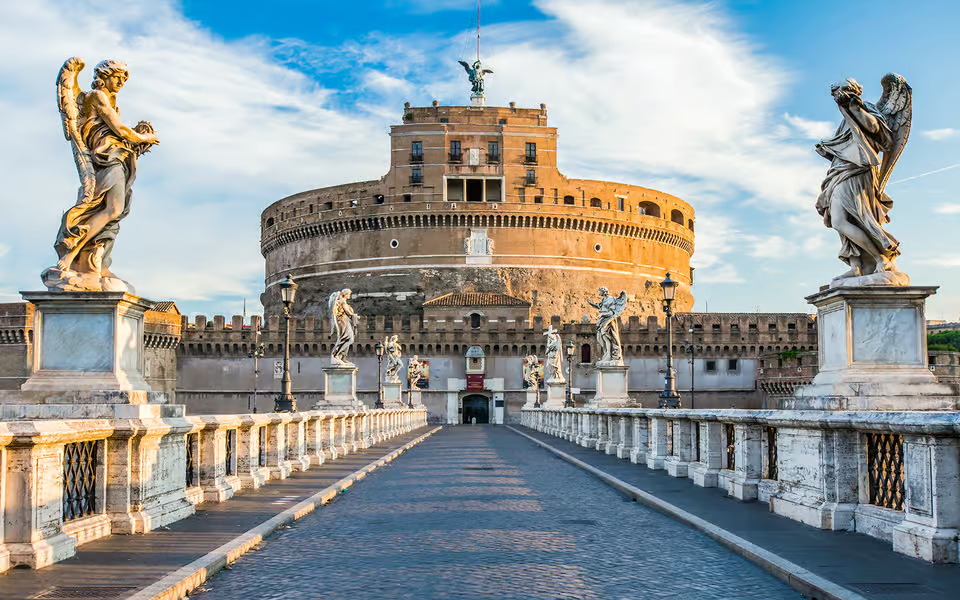
The castle’s massive cylindrical form, layered architecture and elevated terraces offer an unusual journey through Roman history. Nearby Ponte Sant’Angelo, decorated with angel sculptures, creates one of the city’s most recognizable riverside scenes.
1. What Is Castel Sant’Angelo?
It is a historic Roman monument that combines an imperial mausoleum, defensive fortress, papal apartments and a modern museum.
2. Where Is the Castle Located?
It stands on the right bank of the Tiber near the Borgo neighborhood and Vatican City.
3. Who Built Castel Sant’Angelo?
Emperor Hadrian commissioned the original mausoleum in the second century CE. Construction was completed after his death.
4. Why Was It Built as a Mausoleum?
It was intended as an imperial burial monument for Hadrian and members of his family, reflecting the prestige of Roman emperors.
5. How Did the Mausoleum Become a Fortress?
As Rome’s defensive needs changed, the monument was incorporated into military defenses and reinforced repeatedly over the centuries.
6. What Is Its Connection to the Popes?
The fortress served as a papal refuge and residence during periods of conflict and political instability.
7. What Is the Passetto di Borgo?
It is a fortified elevated passage connecting the Vatican area to Castel Sant’Angelo, historically used as an emergency escape route.
8. Can Visitors Enter the Passetto?
Access may be offered through separate arrangements or special visits. It should not be assumed to be included with a standard castle ticket.
9. Why Is It Called Castel Sant’Angelo?
The name is associated with a tradition about an appearance of the Archangel Michael above the monument during a plague.
10. What Is the Statue on the Roof?
The figure represents the Archangel Michael and has become an important symbol of the monument.
11. What Is Ponte Sant’Angelo?
It is a historic bridge across the Tiber, famous for its series of angel sculptures and direct view toward the castle.
12. Is Ponte Sant’Angelo Free to Visit?
The bridge is generally a public pedestrian crossing, so you can walk across it without buying museum admission.
13. Is the Castle Near the Vatican?
Yes. The castle and St. Peter’s Square can be combined in a walking itinerary.
14. What Can You See Inside?
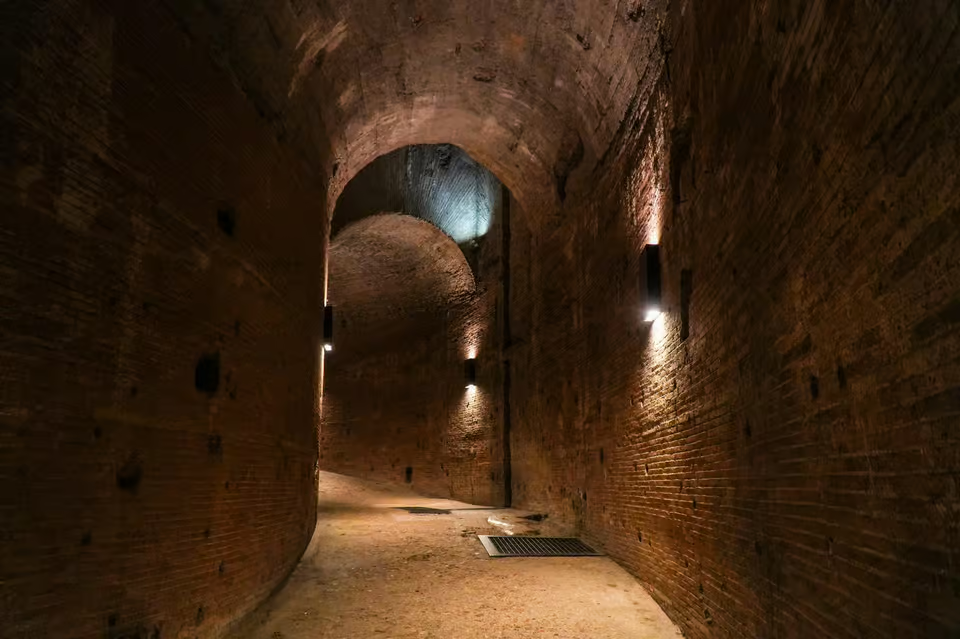
Visitors encounter historic corridors, defensive spaces, courtyards, decorated rooms and exhibitions reflecting the building’s changing functions.
15. What Are the Papal Apartments?
They are rooms associated with the castle’s use as a papal residence, some featuring elaborate Renaissance decoration.
16. Was the Castle Used as a Prison?
Yes. Parts of the complex served as prison facilities at different points in its history.
17. Why Are the Upper Terraces Popular?
Elevated viewpoints provide views of the Tiber and central Rome, subject to which areas are open during your visit.
18. Can You See St. Peter’s Basilica?
The basilica’s distinctive dome can be seen from several upper viewpoints in suitable weather.
19. When Is the Best Time for Photography?
Morning and late-afternoon light can be attractive, but access to the interior depends on the museum’s current operating schedule.
20. Is It Suitable for Children?
Older children interested in castles may enjoy it. Historic stairs, passages and elevated spaces require supervision.
21. Are There Many Stairs?
The visit involves several levels and may include stairs, ramps and historic passages.
22. Is the Museum Wheelchair Accessible?
Accessibility varies across the historic structure. Check current accessible routes and lift availability before visiting.
23. Do You Need a Ticket?
Interior museum admission generally requires a ticket, while exterior views and the public bridge can be enjoyed independently.
24. Is an Audio Guide Available?
The linked activity advertises a digital audio guide. Verify its supported languages, technical requirements and inclusion in your selected option.
25. How Long Does a Visit Take?
Allow enough time to explore the rooms and historic levels and pause at the viewpoints. Actual duration depends on your interests.
26. Can You Visit at Night?
Special evening access may occasionally be offered, but daily nighttime admission should not be assumed.
27. How Do You Get There?
Walking from the Vatican area is convenient. Public transport also serves surrounding streets, followed by a short walk.
28. Are Food and Drink Available?
On-site refreshments and visitor services may change. Check the current facilities rather than assuming a café is included.
29. How Is It Different from the Colosseum?
The Colosseum was an amphitheater for public spectacles; Castel Sant’Angelo began as a mausoleum and later became a fortress.
30. What Attractions Are Nearby?
Ponte Sant’Angelo, St. Peter’s Square, the River Tiber and the historic Borgo district are natural nearby stops.
31. Is Castel Sant’Angelo Worth Visiting?
It is particularly rewarding for visitors interested in Roman engineering, medieval defenses, papal history and skyline views.
32. What Is the Best Booking Tip?
Confirm your entry arrangements and audio guide details, then leave time for photographs from the bridge before or after the museum visit.
Castel Sant’Angelo brings nearly two millennia of Roman history together in a single monument, making it a distinctive stop between central Rome and Vatican City.
Castel Sant Angelo Rome Photo Gallery

Top Castle Experiences
🏛️ Roman History
- Hadrian’s Mausoleum
- Ancient architecture
- Historical transformations
🏰 Papal Heritage
- Papal apartments
- Defensive walls
- Passetto di Borgo history
🌉 Riverside Walks
- Ponte Sant’Angelo
- Angel sculptures
- River Tiber scenery
📸 Photography
- St. Peter’s dome
- Castle terraces
- Historic skyline
Frequently Asked Questions
Is Castel Sant’Angelo near the Vatican?
Yes, it is within walking distance of St. Peter’s Square.
Is admission free?
The museum normally requires a ticket, but exterior views and the public bridge are free to enjoy.
Does the ticket include an audio guide?
The linked product advertises a digital audio guide. Confirm the details of your selected ticket option.
Can you see St. Peter’s Basilica?
Yes, the dome is visible from certain upper viewpoints when open.
Was the castle once a prison?
Yes, parts of the fortress served as prison facilities in different historical periods.
Is the Passetto included?
Not necessarily. Access may require a separate ticket or special arrangement.
Experience Rome Through the Centuries
Combine Castel Sant’Angelo, Vatican landmarks and riverside walks in one memorable itinerary.