Ostia Antica Day Trip from Rome Explore an Ancient Roman Port City
UncategorizedOstia Antica Day Trip from Rome Explore an Ancient Roman Port City
Discover the remarkable ruins of Ostia Antica on a half-day excursion from Rome. Walk ancient streets, admire Roman mosaics and explore the remains of a thriving port city.
Book Your Ostia Antica Excursion
Explore available dates for the Ancient Ostia by Train half-day tour. Review the meeting point, inclusions and cancellation terms before booking.
Your Guide to an Ostia Antica Day Trip from Rome
Ostia Antica is one of the most rewarding archaeological excursions for travelers interested in life beyond Rome’s famous monuments. Located west of central Rome, the ancient city developed around the commercial activities of Rome’s historic port and the Tiber River.
Unlike a museum displaying isolated artifacts, Ostia Antica lets visitors explore an extensive urban landscape. Streets, apartment buildings, baths, shops, temples and public spaces help reveal how residents lived, traded and gathered.
The GetYourGuide product linked above is presented as an Ancient Ostia by Train half-day tour from Rome. Always check its current description to establish whether admission, train tickets and guide services are included in your selected option.
1. What Is Ostia Antica?
Ostia Antica was an important settlement associated with ancient Rome’s port system. Its development reflects centuries of commerce, transport and urban life within the Roman world.
The archaeological site preserves evidence of a functioning city, including residential buildings, commercial premises, civic spaces and places of worship.
Exploring these remains offers a different perspective from the monumental landmarks of central Rome, making the city particularly interesting to visitors who want to understand ordinary Roman life.
2. Why Visit Ostia Antica?
Many first-time visitors prioritize the Colosseum, Roman Forum and Vatican. Ostia Antica provides an opportunity to see another dimension of Roman history: the organization of a working commercial city.
Walking along surviving streets makes it easier to appreciate how homes, shops and public buildings connected within a single urban environment.
The site is especially appealing to history enthusiasts, archaeology lovers and travelers who enjoy exploring open-air heritage destinations.
3. Getting to Ostia Antica from Rome
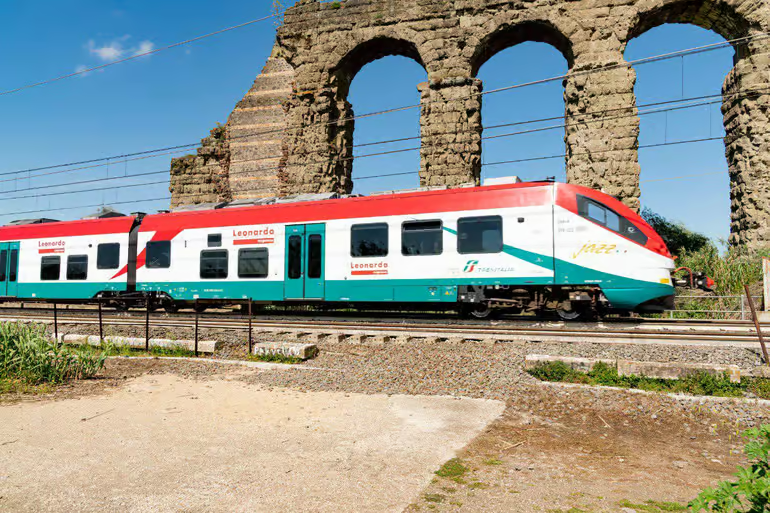
Travelers can reach the Ostia area using Rome’s public transport network and the local railway connection toward the coast.
The exact journey depends on your departure point, the services operating on your travel date and any maintenance or timetable changes. Verify the current route before setting out.
If you book the organized train excursion, follow the meeting-point and transportation instructions provided by the tour operator. Do not assume that the group departs from Roma Termini.
4. The Ancient Roman Theatre
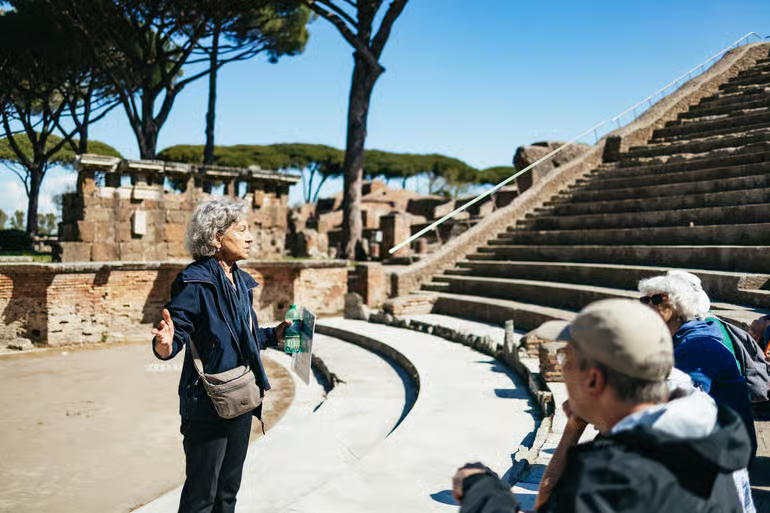
The Roman theatre is one of Ostia Antica’s most recognizable monuments. Its surviving structure helps visitors imagine the performances and public gatherings that formed part of urban life.
The theatre is also a useful reference point for understanding how entertainment spaces were integrated into the city’s layout.
Access to particular areas may change because of conservation work, safety requirements or special events, so follow on-site instructions.
5. The Square of the Corporations
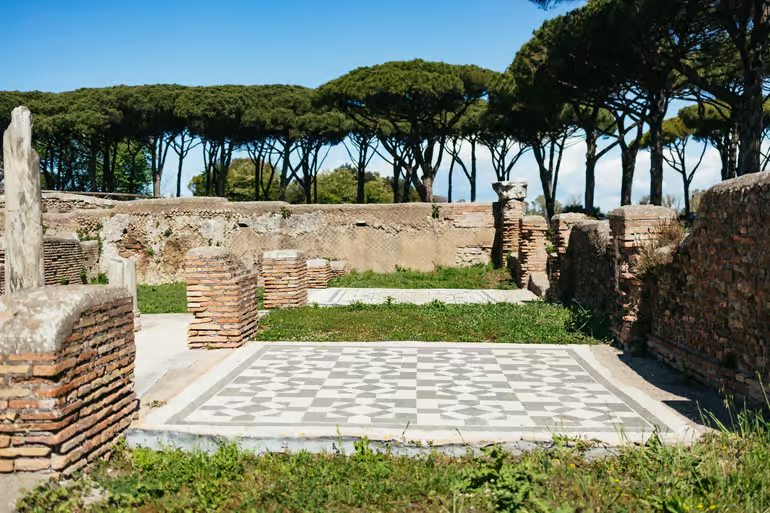
The Piazzale delle Corporazioni is famous for mosaics associated with commercial and maritime activities. These decorative floors offer clues about the businesses and trading connections of the ancient port.
A knowledgeable guide may help explain the symbolism and historical context of individual designs.
Respect barriers and avoid stepping onto archaeological surfaces where access is restricted.
6. Roman Baths and Mosaics
Public bath complexes played an important social role in Roman cities. Ostia Antica preserves remains that illustrate the architecture and organization of these facilities.
Visitors may encounter traces of bathing rooms, decorative floors and other structural features associated with Roman engineering.
Some spaces may be closed for preservation, so consult signs and follow the permitted visitor routes.
7. Ancient Streets, Shops and Apartments
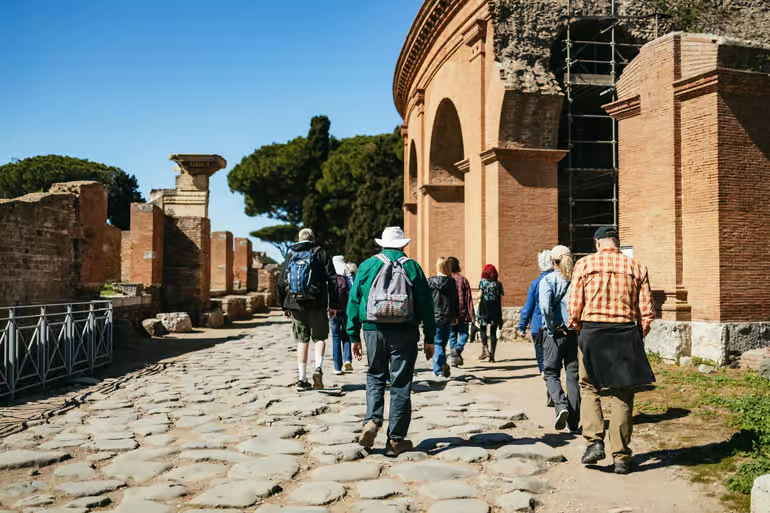
One of Ostia Antica’s greatest attractions is the opportunity to walk through a former Roman neighborhood rather than observe ruins from a distance.
Building entrances, shopfronts, apartment structures and street surfaces provide a tangible impression of daily life.
Allow time to appreciate these smaller details, as they often reveal as much about the city as its best-known monuments.
8. Temples and Public Buildings
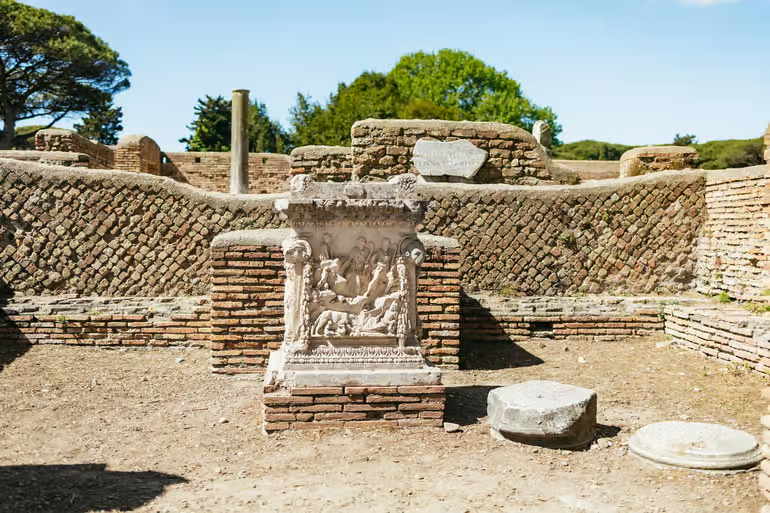
Religious and civic structures were important elements of ancient Ostia. Their remains help explain the relationship between commerce, public administration and religious practices.
Different areas of the site illustrate how the city developed and adapted over time.
Interpretive signs or guided commentary can help connect individual monuments to the broader history of the settlement.
9. Is Half a Day Enough?
A half-day tour can provide a focused introduction to Ostia Antica, particularly when a guide follows a planned route through selected highlights.
However, the archaeological site is extensive. Independent visitors who enjoy detailed exploration may prefer to allow more time.
Remember to account for the journey to and from Rome as well as the time spent inside the ruins.
10. Visiting with Children
Ostia Antica may be enjoyable for children interested in ancient history, but the experience involves outdoor walking and sometimes uneven ground.
Bring drinking water, sun protection and suitable footwear. Families with strollers should investigate accessibility before visiting.
For an organized excursion, check the minimum age, walking requirements and whether the tour’s pace is suitable for younger travelers.
11. What to Wear and Bring
Comfortable walking shoes are important because archaeological paths can include stone surfaces, gravel and uneven sections.
During warmer weather, bring a hat, sunscreen and sufficient water. Large parts of the site are outdoors, and shade may not always be available.
In wet conditions, check the forecast and any site notices that might affect access.
12. Photography Tips
Ostia Antica offers excellent opportunities for photographing ancient architecture, streets, mosaics and the Roman theatre.
Photograph from designated paths and respect restrictions intended to protect fragile remains.
If you plan to use professional equipment or produce commercial imagery, verify the site’s current photography rules.
13. Guided Tour or Independent Visit?
An independent visit offers flexibility over timing and the areas you explore. You will need to arrange transportation, admission and historical interpretation yourself.
A guided tour may offer a more structured introduction and help explain the importance of individual buildings, depending on the selected product.
Compare total costs, language, meeting point, travel arrangements and the services actually included before deciding.
14. Best Time to Visit
The most comfortable visiting conditions depend on temperature, weather, opening hours and crowd levels. Cooler parts of the day may be preferable for extensive outdoor walking.
Always check current opening arrangements and exceptional closures rather than relying on an outdated timetable.
If you book a scheduled excursion, arrive at the designated meeting point with enough time to follow the operator’s instructions.
15. Combining Ostia Antica with Your Rome Itinerary
Depending on your transport schedule, you may be able to explore Ostia Antica during part of the day and return to Rome for dinner or evening sightseeing.
For a short first-time visit, consider how this excursion fits alongside the Colosseum, Vatican Museums and other priorities.
For longer stays, Ostia Antica can add valuable historical depth to a Rome itinerary and provide a change of scenery from the busiest central attractions.
16. Important Booking Advice
Before booking the GetYourGuide experience, select your travel date, group size and preferred language if options are available.
Check the meeting location, duration, cancellation policy, accessibility information and the exact inclusions. Train travel and archaeological admission should only be treated as included when the selected booking option explicitly confirms them.
Also review any weather-related policies and instructions for late arrivals.
An Ostia Antica excursion is a compelling way to discover Rome’s commercial and social history through a remarkably extensive archaeological landscape.
Ostia Antica Photo Gallery
Before You Go: Essential Checks
Reservation
- Dates and availability
- Meeting point
- Cancellation terms
Transport
- Train instructions
- Departure timing
- Included travel costs
Archaeological Site
- Admission inclusions
- Walking conditions
- Opening arrangements
Preparation
- Comfortable shoes
- Water and sun protection
- Weather and family needs
More Rome Experiences
Italy Travel Itineraries

Frequently Asked Questions
Where is Ostia Antica?
Ostia Antica is an archaeological site west of central Rome, associated with the ancient port of Rome.
Can you reach Ostia Antica by train?
Yes, the area is accessible via Rome’s public transport and local railway network. Check current services or your tour instructions.
Is half a day enough?
A focused visit is possible in half a day, although the large archaeological site rewards longer exploration.
Is admission included in the tour?
Check the inclusions of the exact GetYourGuide booking option before paying.
Is Ostia Antica suitable for children?
It may suit families, but consider walking distances, uneven ground and any tour-specific age policies.
How do I book the excursion?
Choose a date and participant count in the GetYourGuide availability widget, then review the meeting point and booking terms.
Discover Ancient Ostia from Rome
Explore Roman streets, public buildings and remarkable archaeological remains on a historical excursion.