Rome Metro Guide Lines, Stations & Tickets
UncategorizedRome Metro Guide Lines, Stations & Tickets
Navigate Rome with confidence. Explore the main metro lines, useful sightseeing stations, ticket options and the important difference between the metro and airport trains.
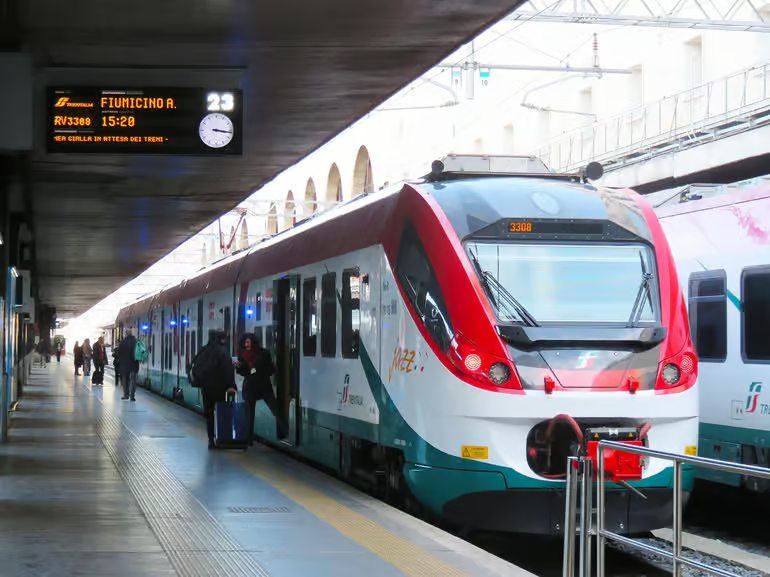
Leonardo Express Fiumicino Airport ↔ Roma Termini
Book the airport rail connection between Fiumicino Airport and Roma Termini. This is an airport train product, not a Rome Metro ticket.
At Termini, continue your journey using a separately valid local metro ticket.
Book Leonardo Express →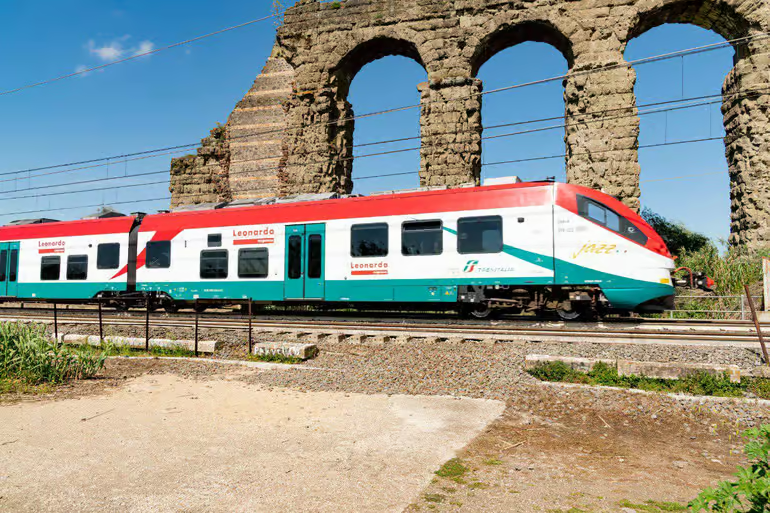
How to Use the Rome Metro
The Rome Metro is one of the most practical ways to travel between major districts of the Italian capital. It can save time on longer journeys, especially when your accommodation and planned attractions are close to stations. However, exploring Rome still involves walking, and some historic landmarks are not directly served by the underground network.
The metro network is organized around Lines A, B and C, with branches and connections depending on the route. Because station openings, service changes and infrastructure work can affect the network, always consult the latest official map before traveling.
Line A is particularly useful for visitors exploring the Vatican area, the Spanish Steps and neighborhoods near the historic center. Well-known stations include Ottaviano, Spagna and Barberini. You may still need to walk from these stations to your exact destination.
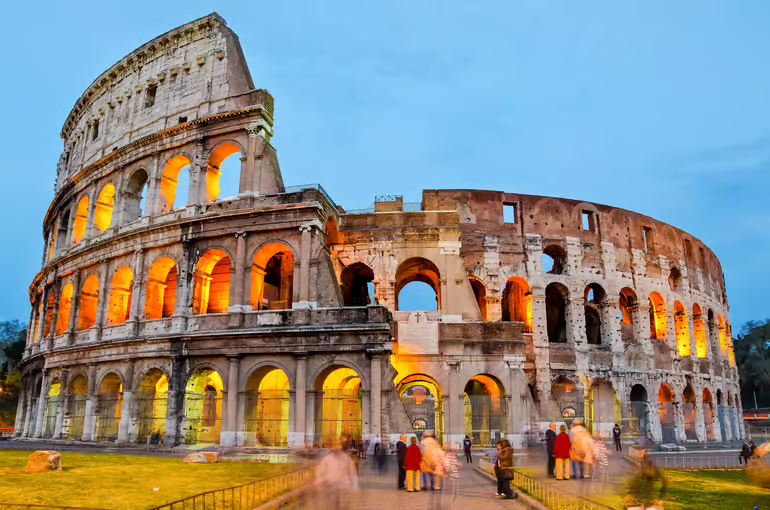
Line B serves important locations such as Colosseo, which is convenient for the Colosseum, as well as Roma Termini and other areas of the city. It is especially helpful when traveling between ancient Roman attractions and transport connections.
Line C serves additional parts of Rome and has developed in stages. Check which stations and interchanges are currently operating, rather than relying on an older map or travel article.
Roma Termini is a major transport hub connecting national and regional rail services with the metro and other forms of public transport. It is also the arrival station for the Leonardo Express airport train from Fiumicino.
Choosing a hotel near a metro station can make sightseeing easier, but the actual walking distance matters. A property advertised as being close to the metro may still require a substantial walk, especially with luggage.
Many famous attractions are not directly above a metro station. Visitors to the Trevi Fountain, Pantheon and several historic squares often combine the metro with walking through the city center.
Rome offers different public transport ticket types, including options with specific validity periods. Some integrated tickets can be used on more than one eligible transport mode, but exact rules and exclusions must be checked before purchase.
If you expect only a small number of metro journeys, buying tickets for those journeys may be more economical than purchasing a longer-duration pass. Frequent users should compare the available time-based options.
When entering a metro station, check the line direction and the terminal station displayed on signs. Traveling in the wrong direction is an easy mistake that can cost valuable sightseeing time.
Some routes involve branches or interchanges, so it is worth checking the full journey before boarding. A route planner can help identify the correct platform, transfers and estimated walking time.
Keep your ticket or valid proof of payment until your journey is complete. Follow the validation and activation rules that apply to the specific ticket or payment method you are using.
Metro operating hours can vary by day, maintenance schedule and temporary service changes. Do not rely on an old timetable when planning a late evening return to your hotel.
Stations and trains can be busy during commuting periods and popular sightseeing hours. If possible, avoid traveling with large suitcases during the busiest times.
Families with children should allow extra time for station entrances, platforms and transfers. Review the current fare rules for children rather than assuming that every age group travels free.
Travelers with mobility requirements should check station accessibility and the operational status of lifts and escalators in advance. Conditions can differ significantly between stations.
A particularly important distinction is that Leonardo Express is not part of the Rome Metro. It is an airport rail service connecting Fiumicino Airport with Roma Termini and operates under its own ticket conditions.
After arriving at Termini on Leonardo Express, you can transfer to the metro network for onward travel. However, do not assume your airport train ticket automatically includes a metro journey.
For a sightseeing itinerary, it helps to group attractions geographically. You might explore the Colosseum and nearby ancient sites on one day, then plan a separate visit to the Vatican area.
Walking can sometimes be faster than taking the metro for short distances in central Rome. The city’s streets, piazzas and architectural details are also a major part of the travel experience.
Use an up-to-date mapping application to compare metro, bus and walking routes. Consider total travel time rather than just the number of minutes spent on the train.
Before departure, check the official transport operator’s website for current routes, ticket prices, service hours, accessibility information and any planned disruptions.
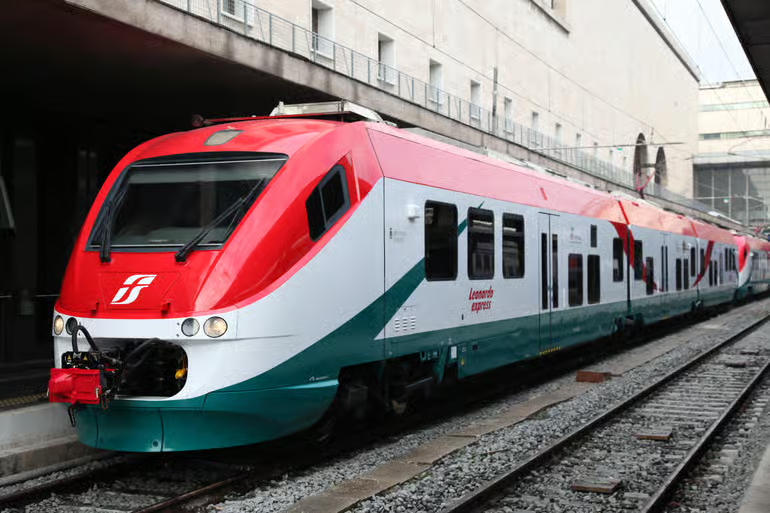
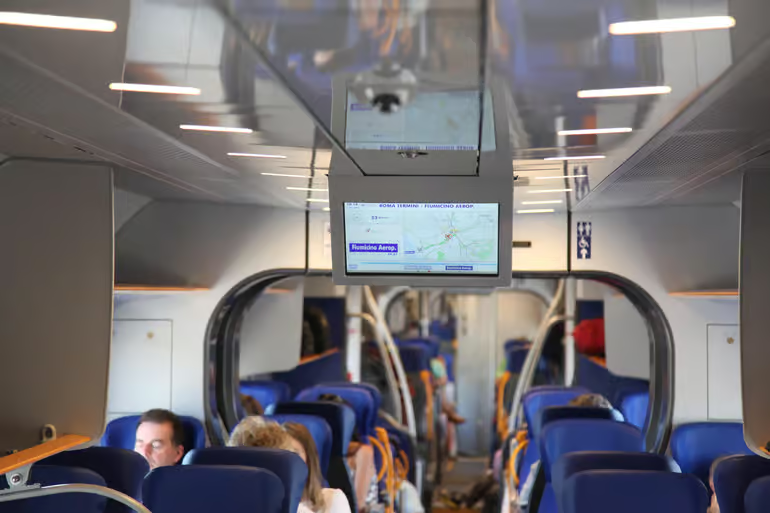
Rome Metro Photo Gallery

Before Riding the Rome Metro
Metro Lines
- Check Lines A, B and C
- Confirm travel direction
- Identify interchange stations
Tickets
- Choose based on journey frequency
- Check validity and coverage
- Follow validation rules
Visitor Tips
- Group attractions by area
- Avoid rush hours if possible
- Check operating times
Airport Connection
- Leonardo Express is not the metro
- Connects Fiumicino and Termini
- Requires its own valid ticket
More Rome Travel Guides

Explore Italy Travel Programs

Frequently Asked Questions
How many Rome Metro lines are there?
The network is organized around Lines A, B and C, with branches and ongoing development. Consult the current official map.
Which metro station is closest to the Colosseum?
Colosseo station on Line B is one of the most convenient stations for the Colosseum.
Can I reach the Vatican by metro?
Line A serves the Vatican area via stations such as Ottaviano, followed by a walk to your destination.
Is Leonardo Express part of the metro?
No. It is a separate airport rail service between Fiumicino Airport and Roma Termini.
Does an airport train ticket include the metro?
Do not assume it does. Check the ticket conditions and obtain a valid local transport ticket when required.
What metro ticket should I buy?
Compare your expected number of journeys with the current official ticket types and validity rules.
From the Airport to Rome and Beyond
Start with Leonardo Express to Termini, then explore the city using the metro and other local transport.