Baths of Caracalla Rome Explore Ancient Rome’s Monumental Imperial Baths
Uncategorized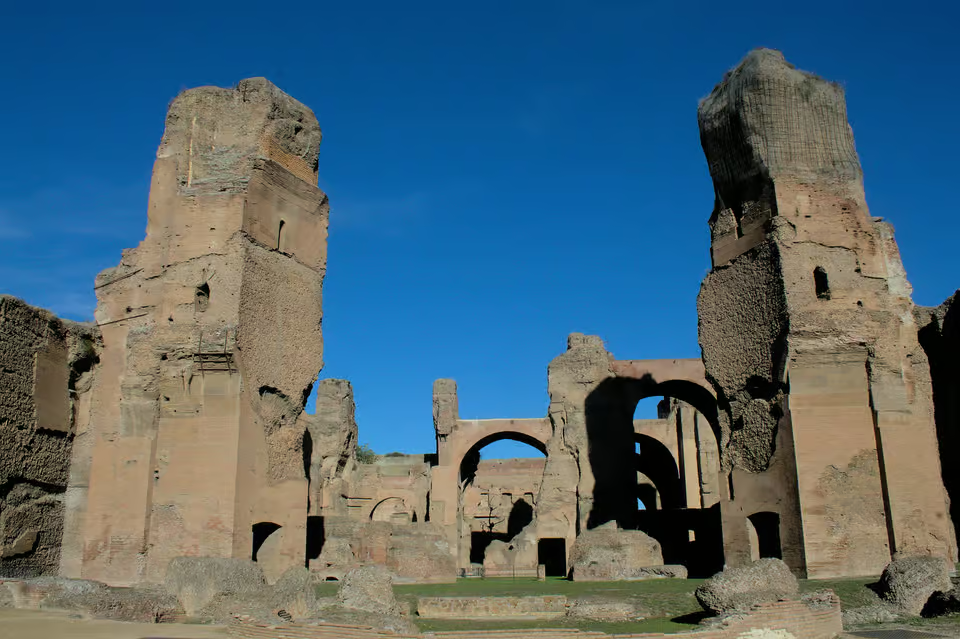
Baths of Caracalla Rome Explore Ancient Rome’s Monumental Imperial Baths
Step inside one of the ancient city’s greatest public bath complexes and discover its remarkable architecture, engineering and social history.
Book Your Baths of Caracalla Visit
The linked activity is titled Rome: Terme di Caracalla Skip-the-Line Entry Ticket. Check the selected ticket’s admission conditions, available dates and any additional services before purchasing.
Baths of Caracalla Rome Visitor Guide 2026
The Baths of Caracalla are among the most impressive surviving public bath complexes of imperial Rome. Opened in the early third century AD under Emperor Caracalla, they provided a vast setting for bathing, exercise, relaxation and social interaction.
Roman baths were more than places to wash. This extraordinary complex featured rooms of different temperatures, a large swimming area, exercise spaces and richly decorated interiors. Its surviving walls still reveal the scale of ancient Roman engineering.
1. What Are the Baths of Caracalla?
They are a monumental Roman public bath complex that combined bathing facilities with spaces for exercise, leisure and community life.
2. Where Are the Baths Located?
They stand south of Rome’s main archaeological center, near the Aventine area and the route toward the ancient Appian Way.
3. When Were They Built?
Construction took place in the early third century AD, with the complex opening around AD 216.
4. Who Was Emperor Caracalla?
Caracalla was a Roman emperor of the Severan dynasty whose name became associated with this enormous public building project.
5. Why Were the Baths Important?
Public baths were essential urban institutions where Romans could bathe, relax and participate in social life.
6. How Large Was the Complex?
It was one of the largest bath establishments of ancient Rome, with vast central buildings and extensive surrounding facilities.
7. How Did Roman Bathing Work?
Visitors moved between differently heated spaces, using hot and cold bathing areas alongside exercise and relaxation facilities.
8. What Was the Caldarium?
The caldarium was the hot bathing area, designed to benefit from Roman heating technology.
9. What Was the Tepidarium?
A warm transitional room that helped connect different parts of the bathing sequence.
10. What Was the Frigidarium?
A monumental cold-room area and one of the key architectural spaces in large Roman bath complexes.
11. What Was the Natatio?
A large swimming pool, generally open to the sky, forming a major feature of the baths.
12. How Was the Water Heated?
The complex relied on furnaces and sophisticated heat-distribution systems to warm bathing spaces and water.
13. What Was the Hypocaust?
A Roman heating system that circulated hot air beneath floors and, in some cases, through wall cavities.
14. Where Did the Water Come From?
The baths depended on Roman water infrastructure, including aqueduct supply and storage facilities.
15. Why Are the Surviving Walls So Impressive?
The immense brick-faced concrete structures demonstrate Rome’s ability to construct vast vaulted interiors.
16. Were the Baths Decorated with Marble?
Yes. Marble surfaces and decorative architectural details once enriched the interiors, although much has disappeared.
17. What About the Mosaics?
Mosaics formed part of the decorative program, and surviving evidence offers insights into the site’s original appearance.
18. Were There Sculptures?
Major Roman baths displayed sculptures, and significant artworks have historically been associated with discoveries at Caracalla.
19. Could Visitors Exercise Here?
Yes. Exercise areas complemented the bathing rooms, reflecting the wider social function of the complex.
20. Were the Baths Used by Ordinary Romans?
Public bathing was an important part of Roman city life, although access practices could vary across periods and social groups.
21. When Did the Baths Stop Operating?
The complex declined in late antiquity as water infrastructure and Rome’s political and economic circumstances changed.
22. Why Are the Baths Now Ruins?
Centuries of abandonment, material reuse and environmental deterioration caused substantial losses to the original buildings.
23. What Can You See Today?
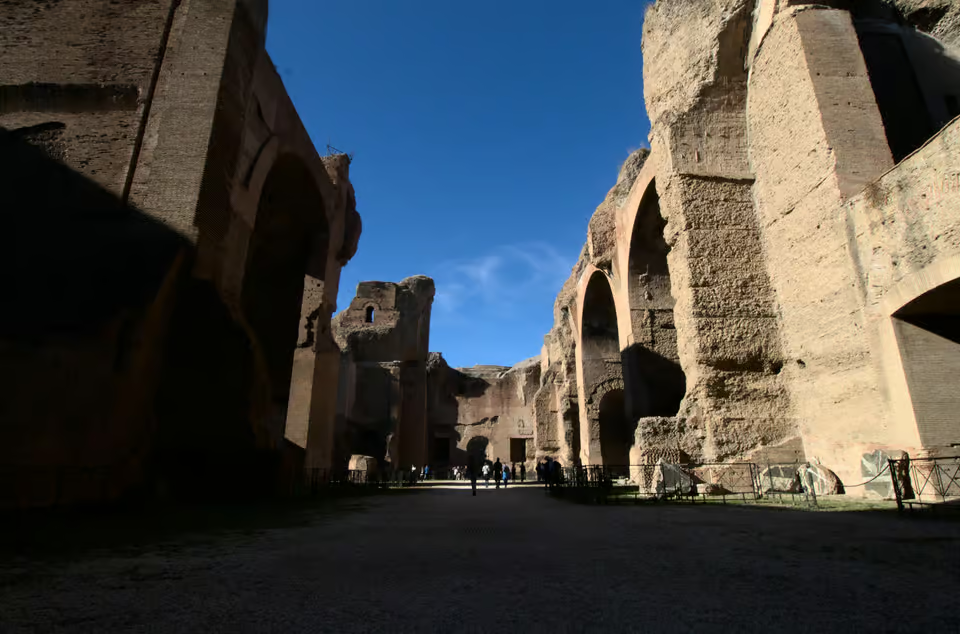
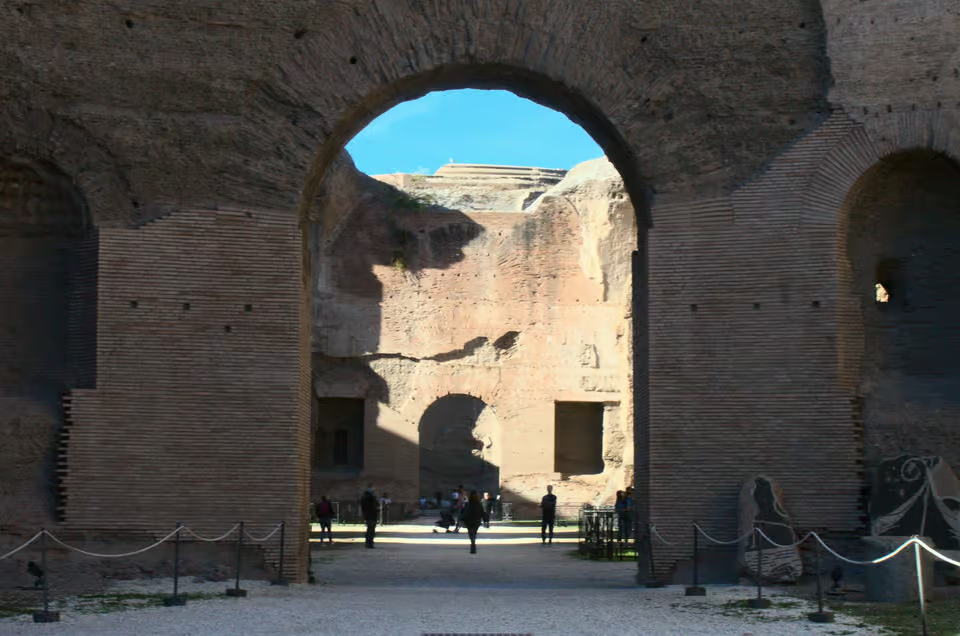
Visitors can explore towering walls, surviving vaulted structures and open spaces that reveal the layout of the ancient baths.
24. Can You Swim in the Baths Today?
No. This is a protected archaeological site rather than a functioning bathing facility.
25. Do You Need an Entry Ticket?
Admission to the archaeological area normally requires a ticket, with arrangements and concessions depending on current rules.
26. What Does Skip-the-Line Mean?
It refers to specific admission arrangements described by the provider, not an exemption from security checks or mandatory queues.
27. When Is the Best Time to Visit?
Morning visits or milder weather can be more comfortable because much of the site is exposed to the sun.
28. How Long Does a Visit Take?
Allow approximately one to two hours for a relaxed exploration, depending on your interests and which areas are open.
29. Are the Baths Family-Friendly?
They can be fascinating for children, although families should plan for walking, uneven ground and sun exposure.
30. Are Events Held at the Site?
The archaeological area may host cultural performances or events, which can affect access arrangements.
31. Which Attractions Are Nearby?
Circus Maximus, the Aventine Hill and the ancient Appian Way can fit into a broader historical itinerary.
32. What Should You Check Before Booking?
Confirm admission hours, accessible areas, any temporary closures and the exact ticket redemption process.
The Baths of Caracalla reveal that Roman architectural ambition extended far beyond temples and amphitheaters. Public bathing complexes were masterpieces of engineering, decoration and urban social life.
Baths of Caracalla Rome Photo Gallery
Why Visit the Baths of Caracalla?
🏛️ Architecture
- Monumental halls
- Vaults and high walls
- Roman engineering
♨️ History
- Emperor Caracalla
- Everyday Roman life
- Public bathing culture
🎨 Art
- Historic mosaics
- Marble decoration
- Ancient sculpture
📷 Experience
- Expansive ruins
- Photography opportunities
- Immersive ancient history
Frequently Asked Questions
Where are the Baths of Caracalla?
South of Rome’s historic center, near the Aventine Hill and Circus Maximus.
Can you bathe in the Baths of Caracalla?
No. They are preserved archaeological ruins, not operating baths.
When were the baths built?
In the early third century AD, opening around AD 216.
Do I need a ticket?
Admission to the archaeological site normally requires a ticket. Check current booking options.
How much time should I allow?
Approximately one to two hours, depending on your pace and the accessible areas.
Is the site suitable for families?
Yes, with sensible preparation for walking, uneven surfaces and sun exposure.
Discover Ancient Rome
Add the Baths of Caracalla to your journey through the Eternal City’s history.