Italian Cooking Class in Rome Learn Pasta & Tiramisu in a Local Restaurant
UncategorizedItalian Cooking Class in Rome Learn Pasta & Tiramisu in a Local Restaurant
Explore Italian cuisine through a hands-on introduction to fresh pasta and tiramisu, with practical tips for choosing and booking a cooking class in Rome.

Featured Experience: Pasta & Tiramisu Making in a Locally Loved Restaurant
Discover a cooking experience centered on two Italian classics. Confirm the actual recipes, venue, duration, teaching language and inclusions before booking.
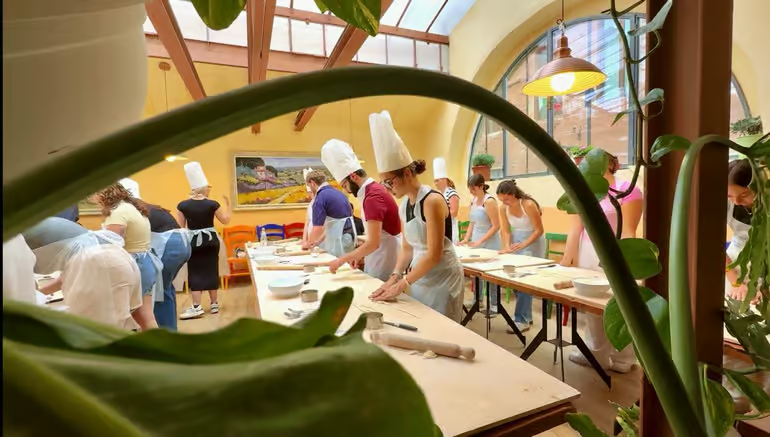
Complete Guide to Italian Cooking Classes in Rome 2026
Rome offers much more than historic monuments and famous squares. Its culinary traditions make the city an engaging destination for visitors who want to learn how Italian dishes are prepared.
This guide focuses on the supplied pasta and tiramisu experience, along with useful information about cooking techniques, ingredients, dietary considerations and choosing the right class.
1. Why Take a Cooking Class in Rome?
A hands-on class introduces Italian kitchen techniques and provides an interactive alternative to conventional sightseeing.
2. What Can You Learn?
Depending on the program, participants may learn dough preparation, pasta shaping, sauce techniques or classic dessert recipes.
3. The Featured Experience
The supplied activity is titled Pasta & Tiramisu Making Class in a Locally Loved Restaurant. Review its current listing for the exact format and inclusions.
4. What Is Fresh Pasta?
Fresh pasta is prepared from dough, often using flour and eggs or water, depending on the regional recipe. It differs from dried pasta in texture and preparation.
5. Ingredients in Pasta Dough
Many recipes use flour and eggs, while others use semolina and water. Ingredients vary according to the type of pasta.
6. Kneading the Dough
Kneading helps develop dough structure and distribute moisture. The required technique depends on the flour and recipe.
7. Why Rest the Dough?
Resting can make dough easier to roll and shape, and it is a common step in preparing many fresh pasta varieties.
8. Rolling Fresh Pasta
Dough can be rolled by hand or with a pasta machine to reach the desired thickness.
9. Popular Pasta Shapes
Fettuccine, tagliatelle, ravioli and tonnarelli are among Italy’s recognizable pasta styles, although the featured class may not cover all of them.
10. Ravioli vs. Fettuccine
Ravioli is a filled pasta, while fettuccine consists of flat ribbons. Their preparation and serving methods differ.
11. Classic Roman Sauces
Rome is associated with dishes such as carbonara, cacio e pepe and amatriciana, each with distinctive ingredients and techniques.
12. Will You Make a Sauce?
The title alone does not confirm which sauces are prepared. Consult the product description for the exact recipes.
13. What Is Tiramisu?
Tiramisu is a famous Italian dessert commonly made with layers of coffee-soaked biscuits, mascarpone cream and cocoa.
14. Tiramisu Ingredients
Recipes vary and may contain dairy, eggs, coffee, wheat and sometimes alcohol. Check the specific ingredients used by the class.
15. Can Tiramisu Be Alcohol-Free?
Yes, alcohol-free recipes exist. However, confirm whether the provider can accommodate this preference.
16. Is Tiramisu Suitable for Children?
That depends on the recipe’s coffee, alcohol and egg content, as well as the class’s minimum-age policy.
17. Food Safety and Eggs
Recipes using raw or lightly cooked eggs require extra care. Pasteurized eggs can reduce risk in some preparations.
18. Do You Need Cooking Experience?
Many tourist cooking classes welcome beginners, but the actual skill requirements depend on the program.
19. Cooking as a Couple or Group
Classes can be enjoyable for couples and friends. Check whether participants work individually or share preparation stations.
20. Cooking Classes for Families
Some classes welcome families, but the featured product’s minimum age should be verified before booking with children.
21. Vegetarian Options
Some recipes may be adaptable for vegetarian diets. Ask about ingredients and substitutions in advance.
22. Gluten Allergies and Celiac Disease
Traditional pasta frequently contains wheat. Ask about ingredients and cross-contact precautions if you need gluten-free preparation.
23. Dairy and Egg Allergies
Pasta and tiramisu may contain dairy and eggs. Notify the provider about allergies before purchasing.
24. Where Are Classes Held?
Rome offers classes in restaurants, studios and teaching kitchens. The featured product identifies a local restaurant, but its exact address is not confirmed here.
25. How Long Is a Cooking Class?
Duration depends on the number of recipes and the program format. Check the selected activity’s current schedule.
26. Is a Meal Included?
Some classes allow participants to eat their creations, but the actual meal inclusions must be verified.
27. Teaching Language
Check the languages available on the booking page if you require English or another language.
28. What Should You Wear?
Choose comfortable clothes and closed-toe shoes suitable for a kitchen, and follow the venue’s hygiene and safety instructions.
29. How to Choose the Best Class
Compare recipes, hands-on involvement, duration, location, teaching language, dietary policies and participant reviews.
30. Should You Book Ahead?
Class sizes may be limited. Review current availability and cancellation conditions before paying.
31. What to Do After Your Class
Continue exploring Rome’s neighborhoods, markets or restaurants to discover more ingredients and local dishes.
32. Final Booking Checklist
Verify the meeting address, duration, language, recipes, ingredients, minimum age, cancellation rules and meal inclusions.
A pasta and tiramisu cooking class can be a memorable way to discover Italian cuisine, provided the experience fits your interests and dietary needs.
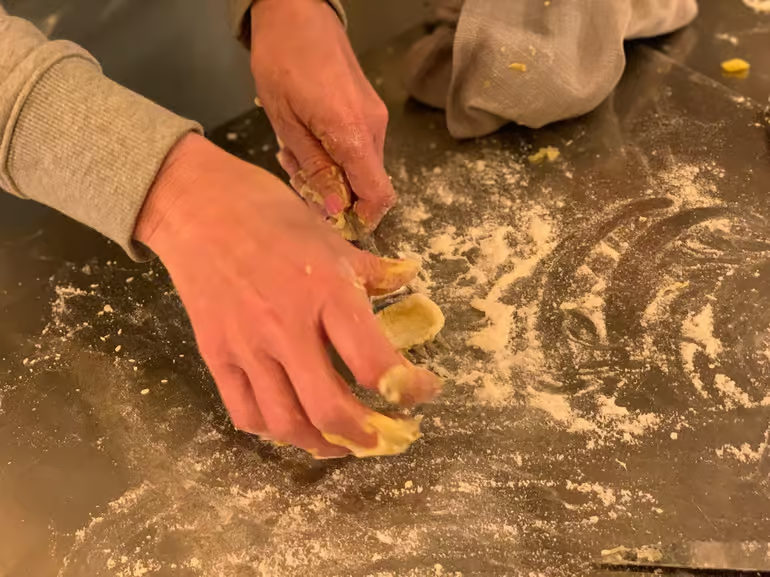
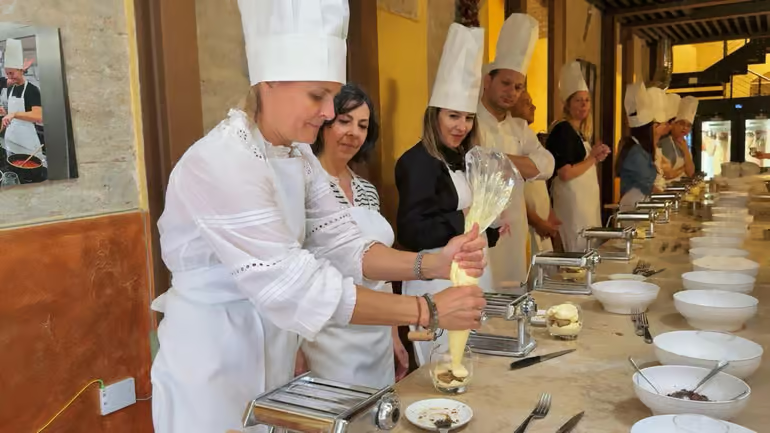
Italian Cooking Class Gallery
Compare Cooking Class Types
🍝 Pasta Class
- Dough and shaping techniques
- Traditional recipes
- Check hands-on format
🍰 Tiramisu Class
- Classic Italian dessert
- Check eggs and dairy
- Ask about alcohol content
👨🍳 Combined Class
- Pasta and tiramisu
- Varied cooking activities
- Confirm class duration
👨👩👧👦 Family Class
- Kid-friendly options
- Verify minimum age
- Check kitchen safety
Related Rome Guides




Italy Travel Itineraries




Frequently Asked Questions
Is the cooking class suitable for beginners?
Many classes welcome beginners, but confirm the requirements of this specific activity.
Does the class cover pasta and tiramisu?
Both are named in the activity title. Check the current listing for the exact recipes.
Can children join?
Review the minimum age, kitchen safety rules and ingredients before booking with children.
Is the tiramisu alcohol-free?
Not necessarily. Ask the provider about the recipe and available alternatives.
Is a meal included?
Check the product inclusions to confirm whether eating the prepared dishes is part of the booking.
Can I cancel?
Cancellation and refund rules depend on the selected booking option.
Discover Italian Cuisine Hands-On
Check the recipes, ingredients and booking conditions before choosing your date.