Pasta Making Class in Rome Learn to Make Fresh Italian Pasta by Hand
UncategorizedPasta Making Class in Rome Learn to Make Fresh Italian Pasta by Hand
Explore pasta-making classes in Rome, from flour selection and kneading to rolling, shaping and cooking, plus a featured booking experience combining pasta and tiramisu.

Book a Pasta & Tiramisu Making Experience in Rome
The featured activity combines pasta and tiramisu preparation in a locally loved restaurant. Check the exact recipes, duration and venue before booking.
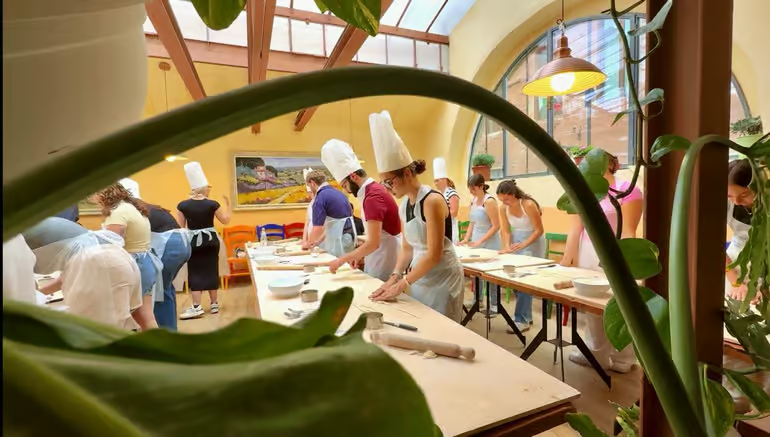
Complete Guide to Pasta Making in Rome 2026
Pasta making is a major part of Italian food culture. While Rome’s restaurants offer plenty of opportunities to taste it, a cooking class can help you understand the process behind different doughs, shapes and sauces.
This article focuses on pasta-making techniques rather than covering every type of Italian cooking activity.
1. Why Learn Pasta Making in Rome?
It is an opportunity to understand how simple ingredients become a wide variety of Italian dishes while enjoying a hands-on travel activity.
2. Fresh Pasta vs. Dried Pasta
Fresh pasta is made from dough often cooked relatively soon after preparation, while dried pasta undergoes drying processes designed for longer storage.
3. Do You Need Experience?
Classes range from beginner-friendly to advanced. Check the skill level of your chosen activity.
4. Choosing the Right Flour
Pasta recipes use different flours, including soft-wheat flour and semolina, depending on the desired texture and shape.
5. Does Pasta Dough Need Eggs?
Not always. Some recipes use flour and eggs, while others use semolina and water.
6. Flour-to-Liquid Ratios
The ideal ratio depends on flour type, humidity and recipe. Follow your instructor’s guidance rather than using one universal formula.
7. Mixing the Ingredients
Ingredients are combined gradually until a workable dough forms, either by hand or with suitable equipment.
8. Kneading Technique
Kneading helps develop dough structure and achieve a cohesive consistency suitable for rolling.
9. When Is Dough Ready?
Signs vary by recipe, but a cohesive, workable dough is generally easier to handle and shape.
10. Resting the Dough
Resting can relax the dough structure, making it easier to roll and reducing shrinkage.
11. Rolling with a Pin
Hand-rolling is a traditional technique that gives the cook direct control over dough thickness.
12. Using a Pasta Machine
A pasta machine can gradually flatten dough to a consistent thickness if the class provides one.
13. Controlling Thickness
Ribbon pasta and filled pasta often require different thicknesses, depending on the intended dish.
14. Making Fettuccine
Fettuccine consists of flat pasta ribbons and is a recognizable shape for exploring basic pasta-making principles.
15. Making Tagliatelle
Tagliatelle is another ribbon-style pasta, with traditional variations across Italian regions.
16. What Is Roman Tonnarelli?
Tonnarelli is a pasta style associated with Roman cuisine and dishes such as cacio e pepe.
17. Understanding Ravioli
Ravioli is filled pasta that requires preparing a filling and carefully sealing the edges.
18. Will One Class Teach Every Shape?
Usually, a class concentrates on selected recipes. Do not assume every shape mentioned in this guide is included.
19. Preventing Dough from Sticking
A suitable amount of flour can help during rolling and shaping, while excess flour may affect the finished dish.
20. Drying Pasta Before Cooking
Whether pasta needs a short rest or drying period depends on its shape and preparation method.
21. Cooking Fresh Pasta
Fresh pasta often cooks faster than dried pasta, but exact timing depends on thickness and shape.
22. What Does Al Dente Mean?
The Italian expression describes pasta that remains pleasantly firm when bitten.
23. Why Save Pasta Water?
Some starchy cooking water can help sauces coat pasta and achieve the desired consistency.
24. Cacio e Pepe
A celebrated Roman pasta dish traditionally built around cheese, black pepper and careful mixing techniques.
25. Roman Carbonara
Traditional Roman versions typically use ingredients such as eggs, cheese, black pepper and guanciale.
26. Amatriciana
A sauce associated with Lazio and Rome, known for ingredients including tomatoes, guanciale and cheese.
27. Are Roman Sauces Included in This Class?
The activity title does not confirm which sauces are taught. Check the current GetYourGuide listing.
28. Allergies and Dietary Requirements
Many pasta recipes contain wheat and may contain eggs or dairy. Tell the provider about allergies and dietary restrictions in advance.
29. Is the Activity Suitable for Children?
Dough-making can appeal to families, but participation depends on age requirements and safety rules.
30. Where Is the Class Held?
The supplied activity title refers to a local restaurant in Rome. Check the booking page for the precise meeting address.
31. How to Compare Pasta Classes
Compare the recipes taught, group size, duration, instructor language, meeting location and cancellation policy.
32. Pre-Booking Checklist
Confirm the date, venue, duration, recipes, ingredients, age restrictions and whether a meal is included.
The most useful pasta-making class is one that lets you practice the process and understand techniques you can repeat at home.
Italian Pasta Making Gallery
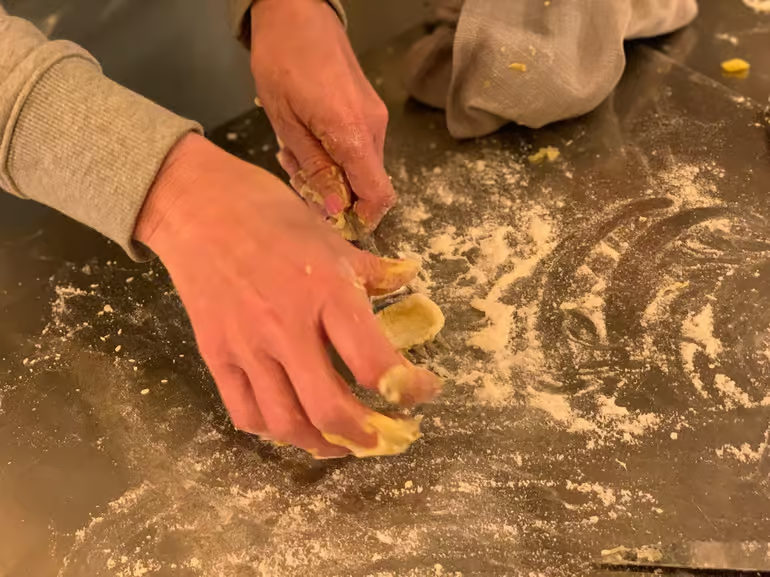
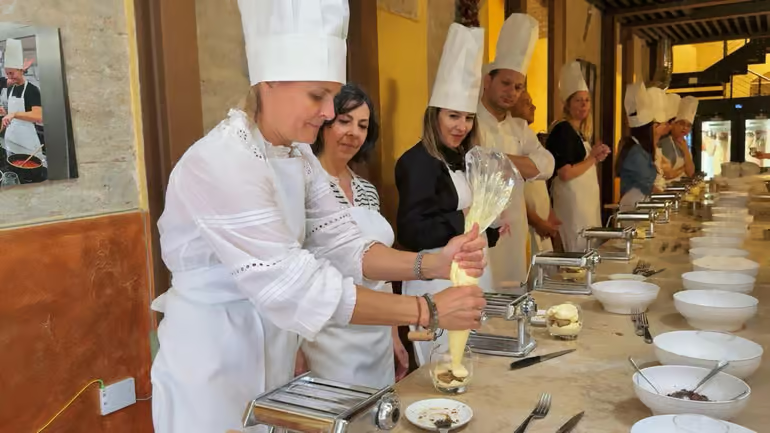
What to Look for in a Pasta Class
🌾 Dough Preparation
- Flour selection
- Mixing ingredients
- Kneading and resting
🍝 Rolling & Shaping
- Rolling-pin techniques
- Popular pasta shapes
- Thickness control
🍅 Cooking & Sauces
- Cooking pasta
- Sauce consistency
- Roman flavor traditions
🍰 Combined Experience
- Pasta and tiramisu
- The featured activity
- Confirm inclusions
Related Rome Guides



Italy Travel Itineraries



Frequently Asked Questions
Can beginners learn to make pasta?
Beginner-friendly classes exist, but review the requirements of your chosen activity.
Is the featured class pasta-only?
No. The product title includes both pasta and tiramisu.
Does pasta dough contain eggs?
Some recipes use eggs, while others use semolina and water. Confirm the actual ingredients.
Will I learn to make ravioli?
Not necessarily. Check which pasta shapes the class covers.
Can children participate?
Participation depends on the activity’s minimum age and safety rules.
Can I cancel my booking?
Review the cancellation terms for your selected date and booking option.
Make Fresh Italian Pasta by Hand
Explore a combined pasta and tiramisu experience and check the booking details before selecting a date.