Pizza Making Class in Rome Learn Authentic Italian Pizza from Dough to Oven
UncategorizedPizza Making Class in Rome Learn Authentic Italian Pizza from Dough to Oven
Discover pizza dough, fermentation, stretching, tomato sauce, cheese and baking techniques, plus a featured cooking experience combining pizza and pasta.
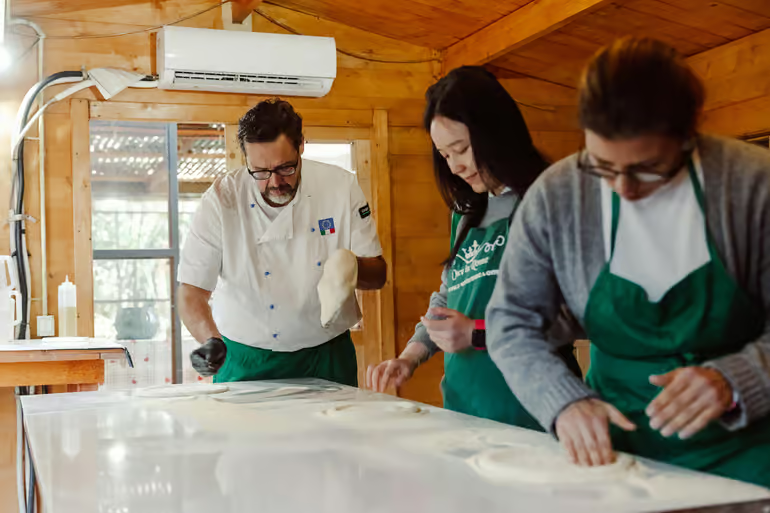
Featured Pizza & Pasta Cooking Experience in Rome
The supplied activity title mentions pizza, pasta, wine and tiramisu. Check the exact options and inclusions before booking.
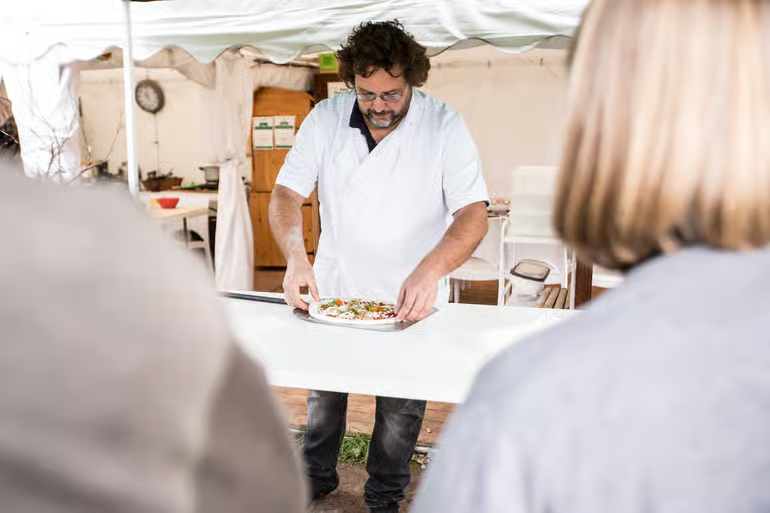
Complete Guide to Pizza Making in Rome 2026
Italy has several pizza-making traditions, and Rome offers distinctive styles alongside other Italian approaches. A pizza-making class can introduce the preparation process from essential ingredients to the finished bake.
This guide concentrates on pizza rather than duplicating the broader TripMoo articles about pasta making and Italian cooking classes.
1. Why Take a Pizza Making Class in Rome?
You can learn practical skills to recreate at home and understand how dough, fermentation and oven heat affect the finished pizza.
2. What Makes Roman Pizza Different?
Rome is associated with several styles, including thin round pizza and rectangular tray-baked pizza sold by the slice.
3. Roman vs. Neapolitan Pizza
Styles can differ in thickness, texture, oven temperature and baking method. Individual pizzerias may also vary.
4. Do You Need Cooking Experience?
Beginner-friendly classes are available, but check the skill level of your selected activity.
5. Essential Pizza Dough Ingredients
Many recipes use flour, water, salt and yeast, while some also include oil.
6. Choosing Pizza Flour
Flour type and protein content influence how dough stretches and how the finished crust feels.
7. Understanding Dough Hydration
The ratio of water to flour affects softness and handling, with different recipes using different proportions.
8. What Does Yeast Do?
Yeast produces gases during fermentation, contributing to dough structure and flavor development.
9. The Role of Salt
Salt adds flavor and affects dough properties, but the right amount depends on the recipe.
10. Is Olive Oil Necessary?
Some pizza recipes include oil, while others do not. It is not a universal requirement.
11. Mixing the Dough
Preparation starts by combining the ingredients in suitable proportions to create workable dough.
12. Kneading Pizza Dough
Kneading helps develop gluten structure in wheat dough and influences elasticity.
13. How to Recognize Workable Dough
Indicators depend on hydration and flour type, but cohesive dough generally becomes easier to handle with practice.
14. What Is Fermentation?
Fermentation is a stage in which yeast activity, time and temperature influence dough structure and flavor.
15. Cold Fermentation
Some recipes use refrigerated fermentation, although a short tourist class may not demonstrate the full process.
16. Dividing Dough into Balls
Portioning dough helps control pizza size and makes preparation more organized.
17. Stretching Pizza by Hand
The cook gradually expands the dough using fingers and palms while avoiding tears.
18. Should You Use a Rolling Pin?
It depends on the pizza style. Some methods favor hand stretching, while others use rolling tools.
19. Controlling Crust Thickness
Thickness affects crispness, baking time and how well the base supports toppings.
20. Tomato Sauce
A simple tomato sauce can work well, provided its moisture level suits the dough and toppings.
21. Mozzarella Cheese
Mozzarella is common in many pizzas, but its type and moisture content affect melting and texture.
22. Pizza Margherita
Known for tomatoes, mozzarella and basil, Margherita is a useful example of ingredient balance.
23. Italian Pizza Toppings
Toppings range from vegetables and cheeses to meats and other ingredients, depending on the recipe and dietary preferences.
24. How to Avoid Soggy Pizza
Managing sauce quantity, topping moisture and baking heat helps improve crust texture.
25. Wood-Fired vs. Electric Ovens
Ovens differ in heat distribution and operating temperatures, and good results are possible with several methods.
26. Pizza Baking Temperature
There is no single temperature suitable for every pizza style. Dough, thickness and oven type matter.
27. How Do You Know Pizza Is Ready?
Check the crust color, underside, melted cheese and whether toppings are properly cooked instead of relying only on time.
28. Does the Featured Activity Include Pasta?
Yes, the supplied product title mentions pizza and pasta, but the exact booking options should be checked.
29. What About Tiramisu and Wine?
Both appear in the activity title. Do not assume they are included for every booking option or participant.
30. Allergies and Dietary Restrictions
Pizza can contain wheat, dairy and other allergens. Ask the provider about ingredients and substitutions in advance.
31. Is a Pizza Class Family-Friendly?
It can be an enjoyable activity, but verify minimum age rules and safety measures around ovens and kitchen equipment.
32. How to Choose and Book a Class
Compare recipes, duration, instructor language, location, group size, inclusions and cancellation conditions before paying.
Making pizza is more than eating a prepared dish. It helps you understand how every step, from mixing dough to baking, contributes to the result.
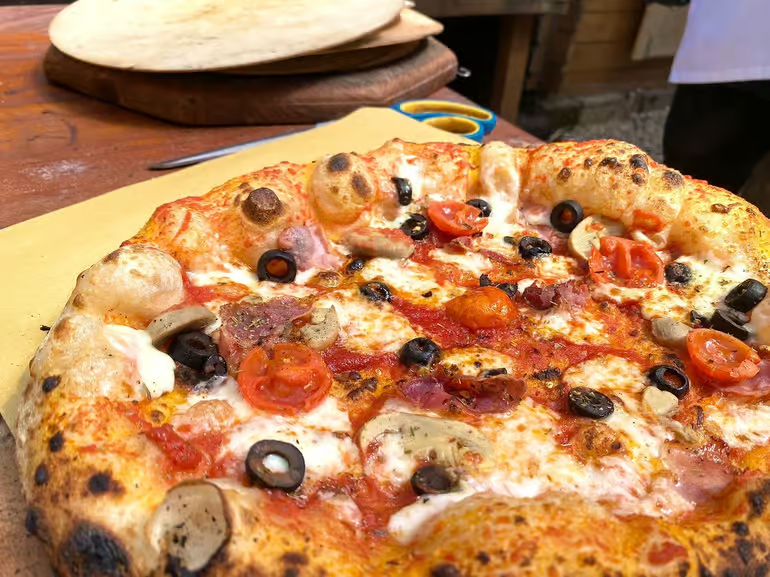
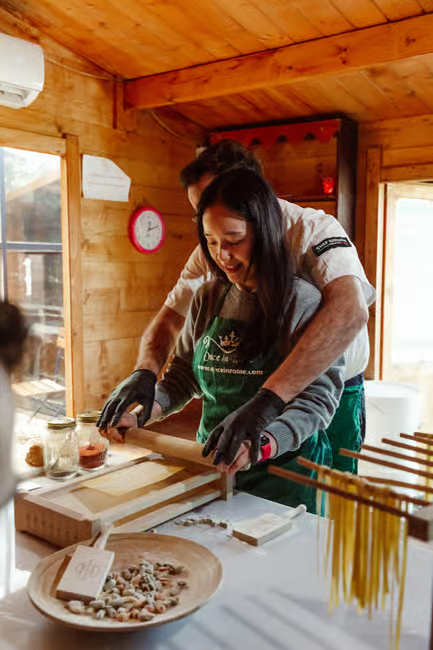
Pizza Making Photo Gallery
Key Stages of Learning Pizza Making
🌾 Dough Preparation
- Flour and water selection
- Mixing and kneading
- Fermentation and portioning
👐 Shaping the Base
- Stretching dough
- Controlling thickness
- Forming the crust
🍅 Toppings & Baking
- Sauce and mozzarella
- Balancing ingredients
- Monitoring the bake
🍝 Combined Cooking Class
- Pizza and pasta
- Wine and tiramisu in title
- Verify actual inclusions
Related Rome Guides
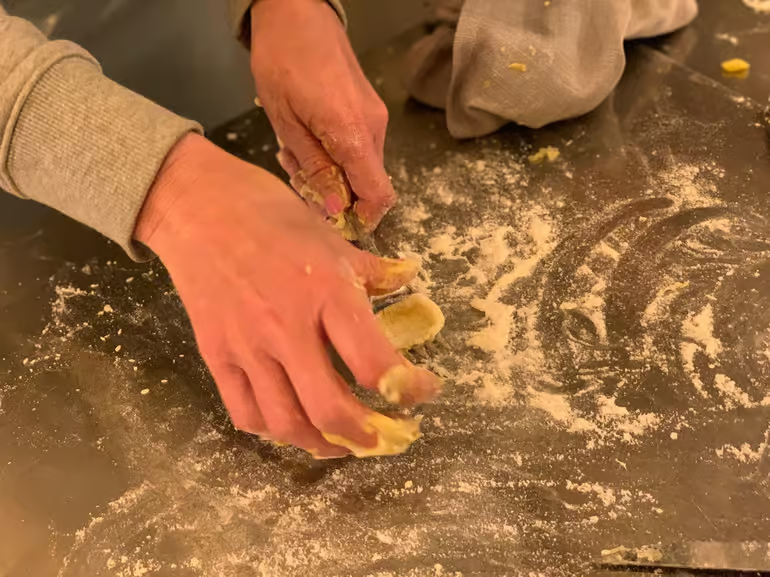


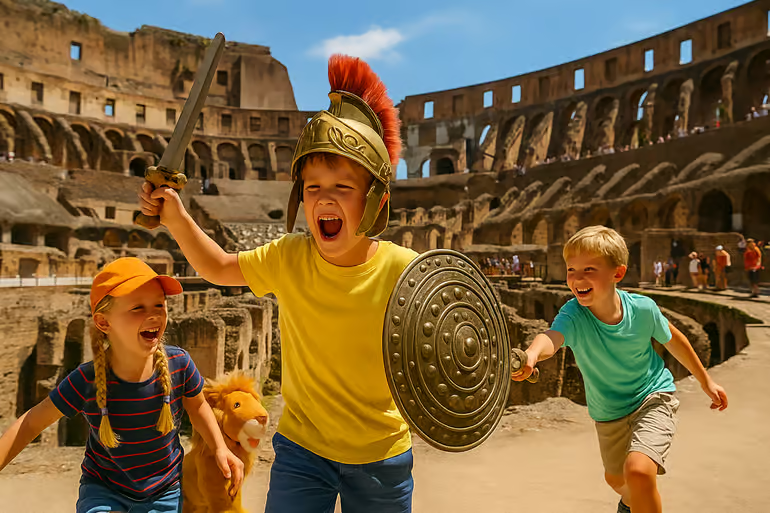
Italy Travel Itineraries
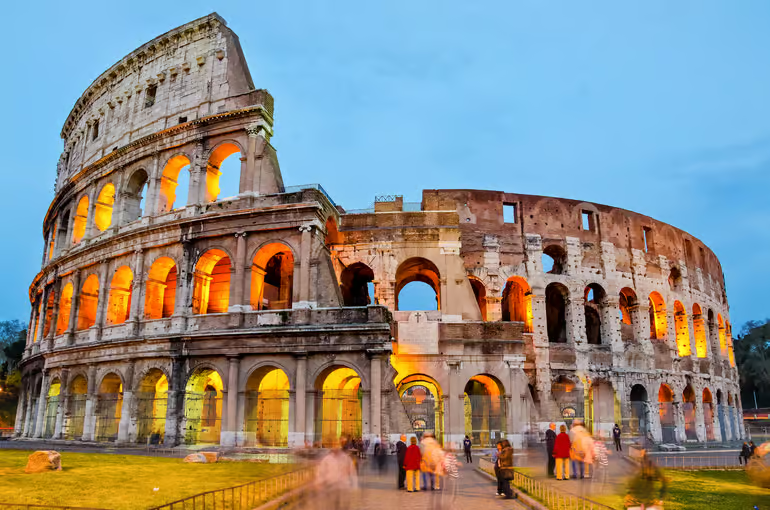
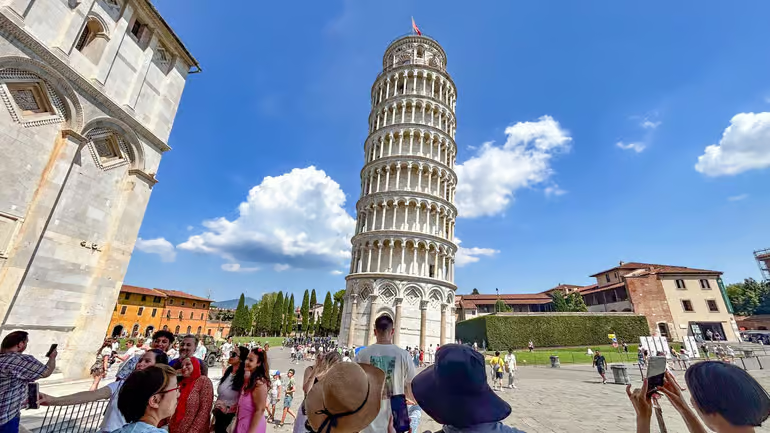

Frequently Asked Questions
Do I need experience to make pizza?
Beginner classes exist, but confirm the activity’s requirements.
Is the featured activity pizza-only?
No. Its title includes pizza, pasta, wine and tiramisu.
Can children join?
Participation depends on minimum age requirements and safety policies.
Can I make vegetarian pizza?
Vegetarian options may be possible, but confirm with the provider.
Will I use a wood-fired oven?
The oven type is not confirmed by the supplied information.
Can I cancel?
Cancellation conditions vary by selected date and option.
Make Italian Pizza Yourself
Explore a pizza and pasta cooking experience in Rome, and review the ingredients and details before booking.