Circus Maximus Rome Explore Ancient Rome’s Legendary Chariot Racing Stadium
Uncategorized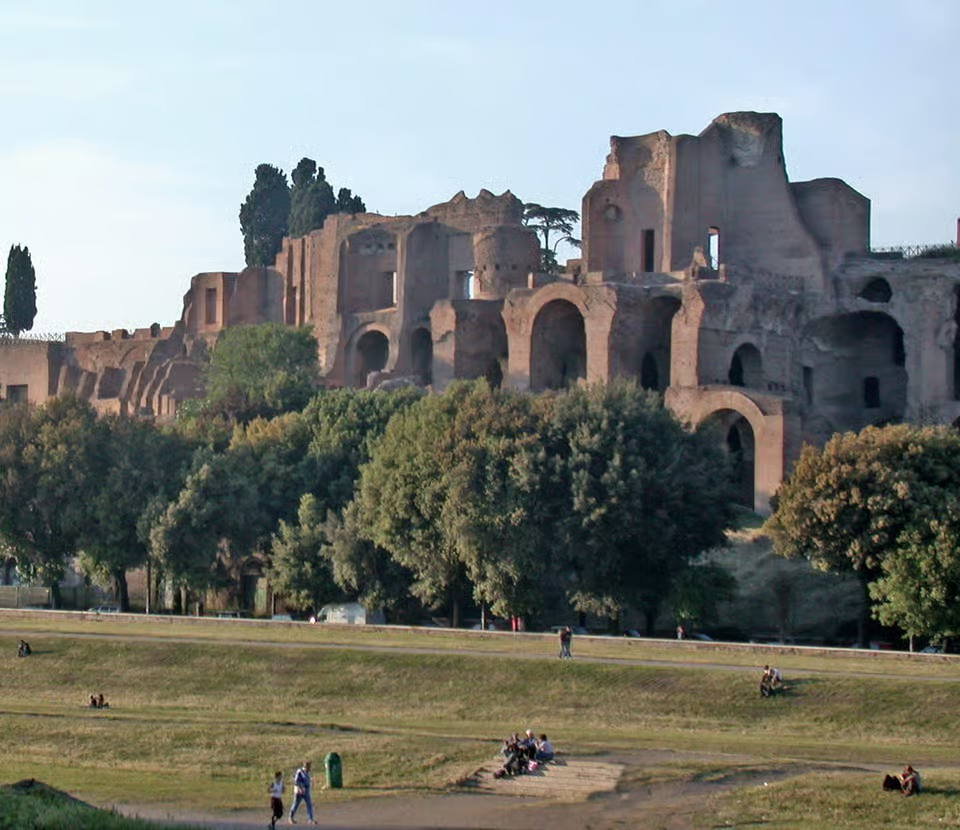
Circus Maximus Rome Explore Ancient Rome’s Legendary Chariot Racing Stadium
Discover the enormous racing arena between the Palatine and Aventine hills, and explore how immersive technology can bring its ancient history to life.
Book the Circus Maximus VR/AR Experience
The linked product is titled Rome: Circus Maximus VR/AR Experience. Explore the possibility of seeing a digital reconstruction of the ancient arena, subject to the activity’s actual features and booking conditions.
Circus Maximus Rome Visitor Guide 2026
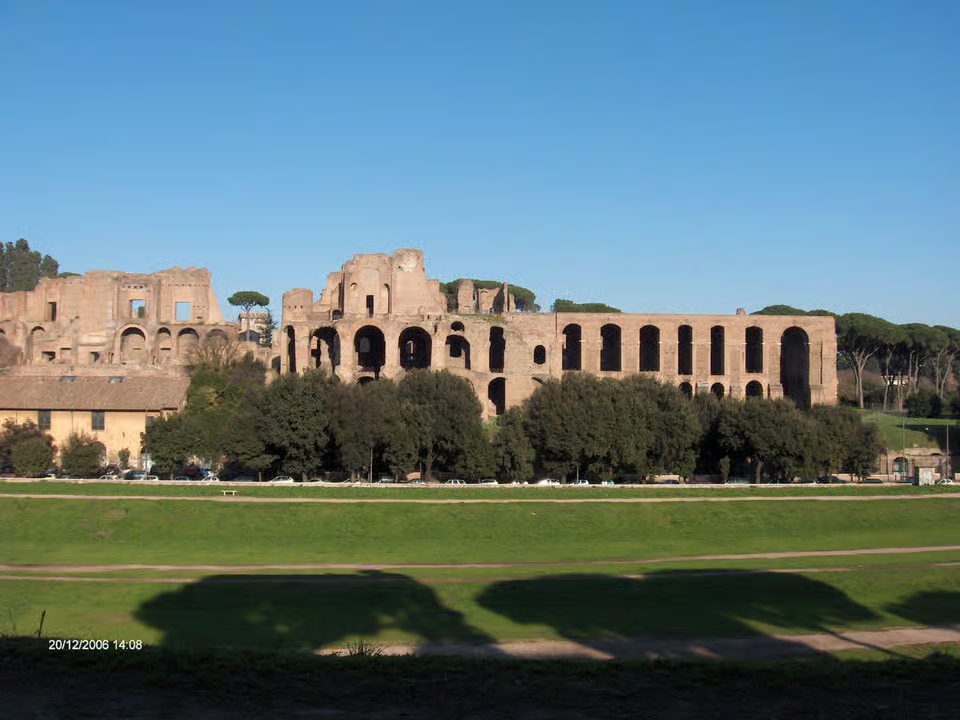
Circus Maximus, known locally as Circo Massimo, was ancient Rome’s most celebrated chariot-racing stadium. Located in the valley between the Palatine and Aventine hills, it hosted races and major public spectacles that attracted enormous crowds.
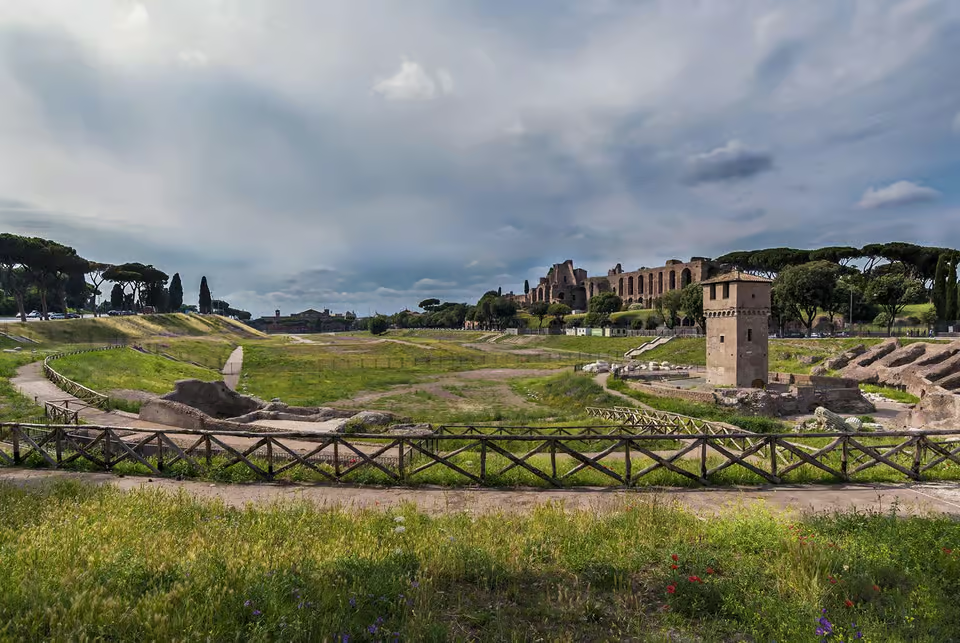
Today, the site resembles a long open green space rather than a complete ancient stadium. Yet its distinctive shape preserves the memory of one of Rome’s most influential entertainment venues. Digital reconstructions can help visitors imagine the grandstands, racing teams and roaring spectators.
1. What Is Circus Maximus?
It was a vast ancient Roman racing venue, primarily associated with chariot races and large public celebrations.
2. Where Is It Located?
The site lies between the Palatine and Aventine hills, within walking distance of several major archaeological attractions.
3. What Does Its Name Mean?
The Latin name Circus Maximus can be understood as the greatest or largest circus, referring to a racing arena rather than a modern circus tent.
4. When Was It First Used?
Its origins are traditionally connected with Rome’s early history, while the site developed substantially during the Republic and Empire.
5. Why Was It Famous?
Chariot racing was immensely popular in Roman society, and Circus Maximus became the city’s premier venue for these events.
6. How Big Was the Stadium?
The racing ground extended for more than half a kilometer, surrounded historically by extensive spectator structures.
7. How Many Spectators Could Attend?
Historical estimates suggest a capacity exceeding one hundred thousand people, although exact figures remain debated.
8. What Races Took Place?
Horse-drawn chariots competed around the elongated track, combining speed, teamwork and dangerous turns.
9. Who Drove the Chariots?
Professional charioteers competed for organized racing factions and could become famous public figures.
10. What Were the Racing Factions?
Well-known teams were associated with colors such as red, white, blue and green, attracting devoted supporters.
11. What Was the Spina?
The spina was the central longitudinal barrier separating the two sides of the racing track, often decorated with monuments.
12. How Did Races Begin?
Chariots launched from starting gates before circling the track for the required number of laps.
13. Were Chariot Races Dangerous?
Yes. High speeds and tight turns could produce serious collisions, making racing both exciting and hazardous.
14. Did Roman Emperors Attend?
The venue had political significance, and emperors were closely associated with public games and spectacles.
15. How Is It Connected to the Palatine Hill?
The Palatine overlooks the arena and was closely associated with imperial residences and government life.
16. Was the Venue Used for Other Events?
Beyond racing, it hosted public festivities and spectacles linked to Roman civic and religious traditions.
17. What Happened After Antiquity?
The stadium gradually lost its original function, and much of its architecture disappeared over subsequent centuries.
18. Why Does It Look Like a Park Today?
Most ancient seating structures no longer stand, leaving the long open valley and the recognizable shape of the track.
19. Are Any Ancient Remains Visible?
Archaeological remains can be seen in parts of the area, while the overall landscape still reveals the stadium’s footprint.
20. Can Visitors Walk Across the Site?
The public grounds are generally used for walking and recreation, although events can temporarily restrict access.
21. Is Circus Maximus Free?
Walking through the main open area is normally free. Special exhibitions and organized experiences may require tickets.
22. What Is the VR/AR Experience?
Virtual and augmented reality technologies can recreate aspects of the historical setting; the exact format depends on the booked product.
23. Does the Ticket Include Equipment?
Check the specific booking description for equipment, instructions and inclusions rather than assuming all options are identical.
24. Is the Experience Suitable for Children?
Families may enjoy it, but should verify age restrictions, headset suitability and walking requirements.
25. How Long Should You Spend Here?
A casual visit to the open grounds may take around 20–45 minutes, while a guided or digital activity has its own schedule.
26. When Is the Best Time to Visit?
Early morning and late afternoon can be more pleasant during warmer months, especially in exposed areas.
27. Can You Take Photographs?
The public landscape is generally suitable for photography, subject to any temporary event restrictions.
28. Are Concerts Held Here?
The site sometimes hosts large events and performances, which can change access and visitor conditions.
29. How Do You Get There?
Rome’s public transport network serves the Circo Massimo area, making the site accessible from central neighborhoods.
30. What Attractions Are Nearby?
The Palatine Hill, Roman Forum, Colosseum, Aventine Hill and Baths of Caracalla can complement a visit.
31. Do You Need a Guide?
You can explore the public grounds independently, although a guide or digital reconstruction can make the ancient layout easier to understand.
32. What Should You Check Before Booking?
Distinguish free access to the public grounds from the paid VR/AR activity, and verify the meeting location and any participation requirements.
Circus Maximus tells the story of Roman entertainment on an extraordinary scale. Its seemingly simple modern landscape once echoed with the excitement of racing teams and passionate spectators.
Circus Maximus Rome Photo Gallery
Why Visit Circus Maximus?
🏇 Racing History
- Legendary charioteers
- Ancient racing teams
- Roman spectators
🏛️ Archaeology
- Historic stadium
- Palatine views
- Imperial heritage
🥽 Technology
- Virtual reality
- Augmented reality
- Historical visualization
🌿 Outdoor Visit
- Open grounds
- Walking and photography
- Nearby landmarks
Frequently Asked Questions
What is Circus Maximus?
An ancient Roman stadium famous for chariot races and major public spectacles.
Is Circus Maximus free to visit?
The main open grounds are generally free, while special activities may require tickets.
What is the VR/AR experience?
A digital experience intended to help visitors visualize aspects of the historic stadium, subject to the provider’s description.
Where is Circus Maximus?
Between the Palatine and Aventine hills in central Rome.
How long should I spend there?
A casual visit may take 20–45 minutes; check the booking details for the duration of any paid activity.
Is it suitable for children?
The public area is family-friendly, but the VR/AR activity may have specific age or equipment restrictions.
Experience Ancient Rome
Explore the legendary stadium and build a memorable itinerary around Rome’s archaeological landmarks.