Best Time to Visit Rome
Uncategorized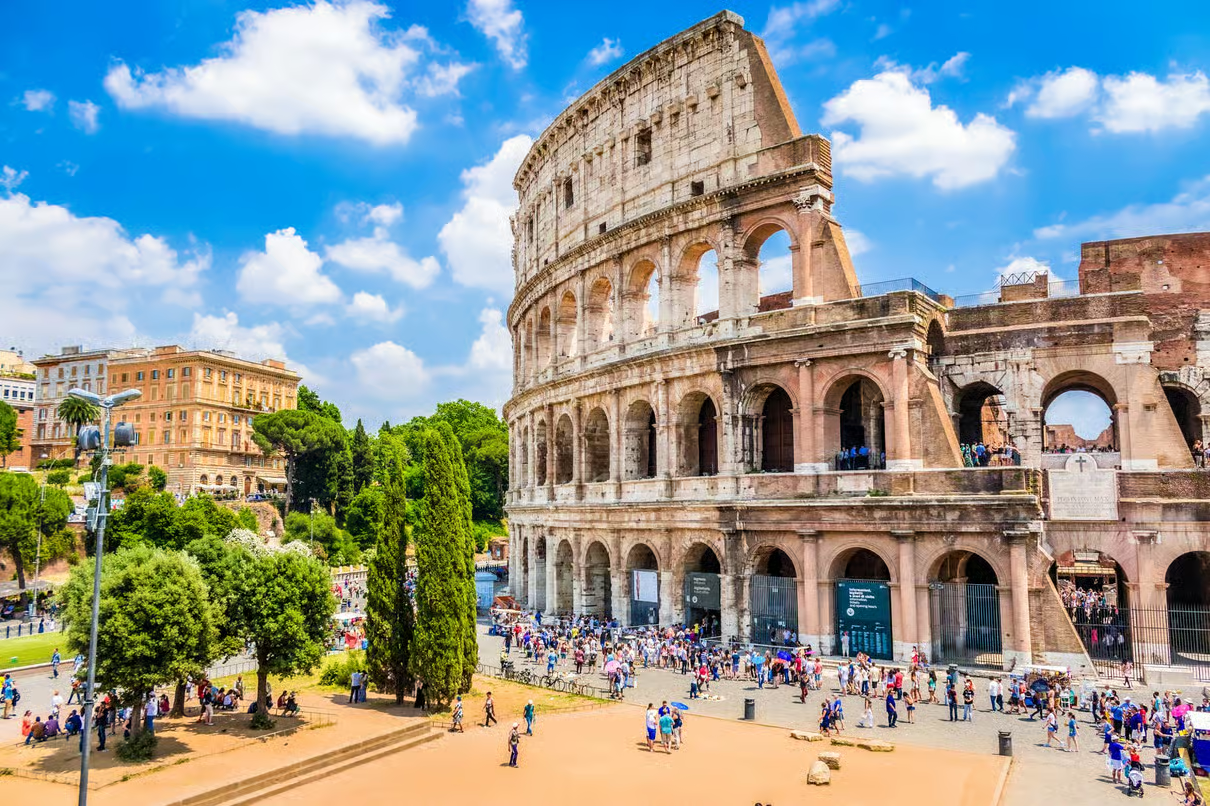
Best Time to Visit Rome
For a first visit built around walking, spring and autumn are useful starting points. Our planning shortlist is April–May and late September–October, allowing for rain, lingering heat and holidays. The best dates for you depend on heat tolerance, budget and your family calendar.
In this guide
Choose dates around your priorities
Month recommendations are editorial planning judgements, not guarantees of weather, prices or crowds. Seasonal climate describes typical patterns; check the actual forecast closer to travel. Compare your exact dates and events rather than relying on the month alone.
- 1Spring · March–MayWalking & parks · check holidays
- 2Summer · June–AugustHeat & longer daylight · slow down
- 3Autumn · September–NovemberPotential balance · keep a rain plan
- 4Winter · December–FebruaryShorter daylight · indoor flexibility
Rome month by month
Month recommendations are editorial planning judgements, not guarantees of weather, prices or crowds. Seasonal climate describes typical patterns; check the actual forecast closer to travel. Compare your exact dates and events rather than relying on the month alone.
January
Compare dates after holidays; plan for cool weather, rain and short daylight.
February
Consider dates outside breaks; focus on museums and shorter walks.
March
A transitional month: layers, flexibility and the year’s holiday calendar.
April
On the walking shortlist, with rain planning and attention to holiday demand.
May
A walking and park option; reserve sights and do not assume low prices.
June
Prioritise morning sights and prepare for increasing heat.
July
Reduce midday outdoor visits and confirm reliable air conditioning.
August
Plan around heat and check individual restaurants and services.
September
Early dates may remain hot; compare later dates around your priorities.
October
On our walking shortlist; keep a rain alternative and expect possible crowds.
November
Allow rain and shorter daylight; compare prices for exact dates.
December
Distinguish ordinary weeks from Christmas and New Year.
Compare the four seasons
Spring · March–May
Walking & parks · check holidays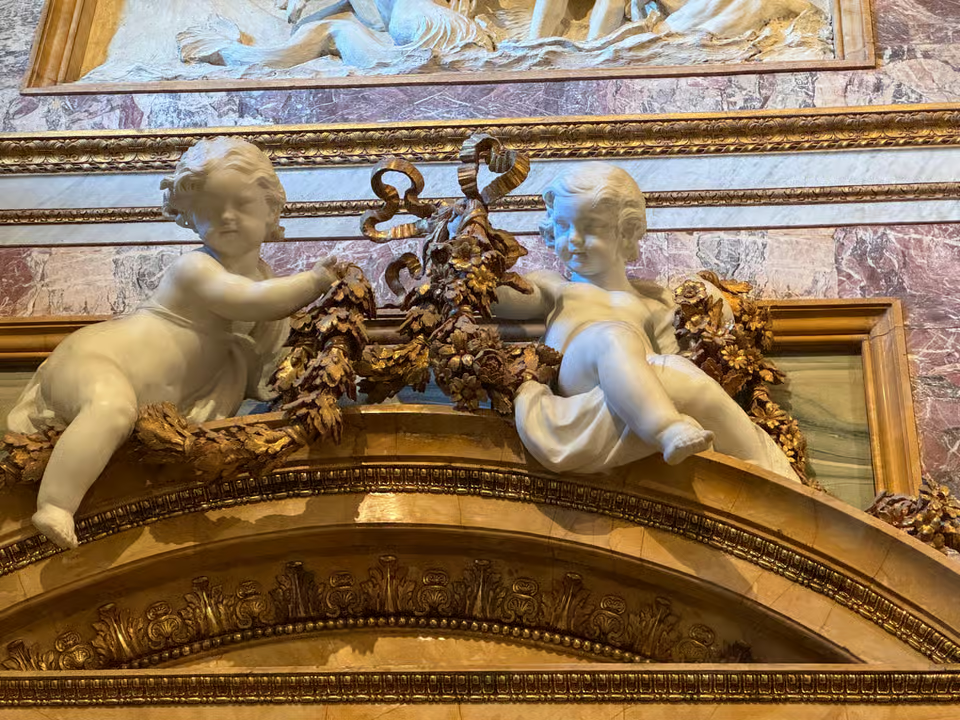
Daily planning, packing & alternatives
Transport & walkingGroup sights geographically and use Metro to avoid repeated hotel journeys.
Planning breaksKeep a seated lunch and an indoor alternative if conditions change.
For familiesSeparate park and museum visits rather than packing outdoor activities into one day.
Before fixing your datesCheck holidays and the Vatican calendar before tickets. Pack light layers and rain protection.
Summer · June–August
Heat & longer daylight · slow downDaily planning, packing & alternatives
Transport & walkingUse Metro, buses or a licensed taxi for longer transfers as needed.
Planning breaksOutdoor visits early, hotel rest or a suitable indoor activity at midday, then a lighter later outing.
For familiesReduce stops and plan drinking water, shade, seats and regular meals.
Before fixing your datesDo not assume August has no tourists or that every restaurant keeps normal hours; check individual venues.
Autumn · September–November
Potential balance · keep a rain plan
Daily planning, packing & alternatives
Transport & walkingLink nearby squares and shorten exposed walks in rain.
Planning breaksKeep a midday rest and an indoor alternative.
For familiesUse shorter stroller routes and shoes suited to wet cobbles.
Before fixing your datesAs the season advances, prioritise daylight for outdoor sights and check the forecast before leaving.
Winter · December–February
Shorter daylight · indoor flexibility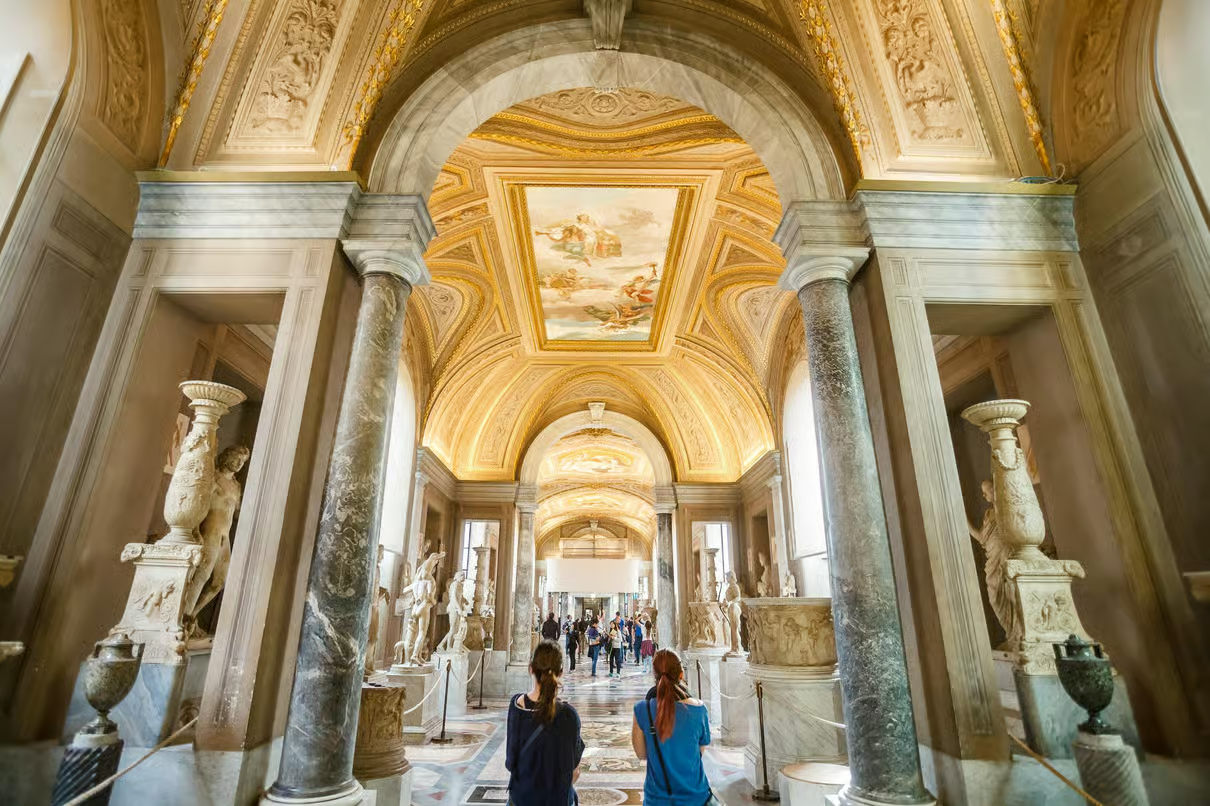
Daily planning, packing & alternatives
Transport & walkingReduce outdoor waiting and pack layers, rain protection and supportive shoes.
Planning breaksPlan seated meal breaks and avoid putting every outdoor stop late in the day.
For familiesChoose an age-appropriate indoor activity rather than lengthy cold exposure.
Before fixing your datesCheck last entry, exceptional closures and heating. Do not assume rain every winter day.
Where to stay in Rome
Choose a location that reduces travel in the expected weather: near Metro or your priority sights, with reliable air conditioning in heat and suitable heating in colder weather. Check lifts, soundproofing, luggage storage and city tax. Do not judge price by month alone.
Historic centre · Trevi / Pantheon
A convenient first-visit base near the squares. Expect higher room costs and restricted vehicle access on some streets. Choose a side street if quiet matters.
Monti · near the Colosseum
Useful for ancient Rome and local restaurants. Some lanes are steep or cobbled; check the approach if travelling with a stroller.
Prati · near the Vatican
An option for wider streets and easy Vatican access. Ottaviano station on Metro A helps connect to other areas.
Termini · transport convenience
Useful for the airport train and Metro A and B. Street and building quality varies; check recent reviews covering location and soundproofing.
Airports & getting around
From Fiumicino FCO
Leonardo Express connects the airport with Termini in about 32 minutes. The published official adult one-way fare is €14. Add time to reach the station and your hotel; 32 minutes is not a door-to-door journey.
From Ciampino CIA
Choose a direct coach to Termini or a pre-booked transfer to your address. Road times depend on traffic. Leonardo Express does not serve Ciampino.
Within Rome
Use Metro B for Colosseo and Metro A for Ottaviano and Spagna. Walk between the central squares. The published BIT fare is €1.50 for 100 minutes under ATAC rules; check Metro and validation conditions. Do not assume airport trains are included.
Adapt transport to conditions
In heat or rain, reduce cross-city walking instead of compressing the schedule. Traffic and works affect travel; check services and allow an airport buffer.
Affiliate disclosure: some links may earn TripMoo a commission if you book, at no additional cost to you. Final prices, inclusions and conditions are shown by the booking provider.
Season & budget
Accommodation costs depend on exact dates, room type, location, cancellation terms and events, not just season. The comparison below is editorial guidance, not live market pricing or a discount guarantee.
A walking-first balance
Start by comparing April–May and late September–October, then check weather, events and budget for your exact dates.
Families & older travellers
Prioritise walking comfort, seating and a convenient base. If summer holidays dictate timing, reduce stops and protect the midday break.
Savings & fewer crowds
Compare ordinary dates outside holidays across multiple months. Some winter dates may work, without a promise of lower prices or an empty city.
Photography & museums
Photograph outdoors early while respecting barriers, and schedule museums around their ticket/calendar. No time guarantees empty squares.
Booking around the season
Once you choose a travel window, secure your priority attraction slots rather than relying on same-day availability. Compare basic tickets and tours by language, inclusions and cancellation terms as well as price.
Affiliate disclosure: some links may earn TripMoo a commission if you book, at no additional cost to you. Final prices, inclusions and conditions are shown by the booking provider.
Colosseum & Roman Forum tour
Choose a slot around the day’s weather and the attraction calendar. Check inclusions, tour language and cancellation; booking does not remove security checks or weather impacts.
Vatican Museums & Sistine Chapel
Choose a slot around the day’s weather and the attraction calendar. Check inclusions, tour language and cancellation; booking does not remove security checks or weather impacts.
Choose an activity date
Expand an activity to load its booking widget. If the calendar does not appear, use the direct booking button; browser privacy settings may block external content.
Tips for choosing dates
- Start by comparing April–May and late September–October, then check weather, events and budget for your exact dates.
- Prioritise walking comfort, seating and a convenient base. If summer holidays dictate timing, reduce stops and protect the midday break.
- Compare ordinary dates outside holidays across multiple months. Some winter dates may work, without a promise of lower prices or an empty city.
- Photograph outdoors early while respecting barriers, and schedule museums around their ticket/calendar. No time guarantees empty squares.
Frequently asked questions
What is the best month for Rome?
No month suits everyone. For walking, compare April–May and late September–October while checking holidays, rain, heat and budget.
Is summer suitable for children?
It can work with fewer stops, midday rest, cooling and water. If heat is difficult for your child, consider a milder window if school dates allow.
Is winter cheaper?
Not always. Compare total room prices for exact dates with equivalent cancellation terms. Holidays differ from ordinary weeks.
When is Rome least crowded?
There is no guaranteed window. Avoid major events unless they are your purpose and visit outdoor sights early; museums can be popular in every season.
Is September cold?
Do not assume so: it can remain hot, especially early in the month. Use your date-specific forecast rather than the autumn label.
Should I cancel for rain?
Rain does not necessarily mean cancelling. Use flexible bookings and indoor alternatives, and check actual warnings and access changes.
Is the Vatican calendar fixed?
Published rules include closures and exceptions. Check the relevant year and exact date before booking; one open site does not mean all services are open.
How many days do I need?
Choose a three-, five- or seven-day plan around travel and rest. One or two days require focused priorities rather than every sight.
More Rome guides
Rome visual guide

Sources & updates
Reviewed 25 October 2026. Broad seasonal context follows the official climate guide. Month, cost and crowd recommendations are editorial judgements, not live pricing or occupancy data. Site calendars and actual forecasts can change.
Rome itineraries by trip length
Choose your trip length and open the complete itinerary.
All other Rome activities & guides
Browse every other activity and guide in the Rome workbook, grouped for easy navigation. Expand a group and select a card to open its article.